

In industrial production environments, failure analysis in chain and gear systems, is a critical process that directly affects plant reliability and operational continuity. Failures occurring in transmission chains, conveyor systems and power transmission mechanisms can lead to unplanned downtime, production losses and serious safety risks. In this comprehensive guide, we will examine in detail the types of failures encountered in chain and gear systems, root cause analysis methods and strategies for preventing these failures.
Main Causes of Chain and Gear Failures
Failures occurring in chain and gear systems generally arise from a combination of multiple factors. Correctly identifying the causes of failure is the first step towards producing lasting solutions. The main causes of failure encountered in industrial applications include wear, fatigue, corrosion and overloading . Each cause has its own specific symptoms and solution approaches.
Wear and Elongation
The most common failure mode in chain systems is wear. Friction occurring between the pin and bushing causes the chain to elongate over time. According to relevant standards, a transmission chain's elongation of three percent can lead to misalignment with the gear and the chain jumping off the gear. This situation creates serious safety risks, particularly in systems operating at high speeds. Transmission chain types — making the right choice among these is the first step in minimising the wear rate.
Factors affecting the wear process may include insufficient lubrication, incorrect chain tension, inappropriate gear selection and abrasive environmental conditions. When regular maintenance and lubrication protocols are applied, chain life can be extended by two to three times. Taking periodic chain length measurements to monitor the progression of wear is the most effective way to establish an early warning system.
Fatigue Failure
Fatigue failure occurs when microcracks that form in chain link components under repeated loading coalesce. This type of failure is usually sudden and unexpected; crack propagation is invisible to the naked eye and may go undetected until the moment of fracture. Fatigue failure, especially in systems operating under impact loading, poses a major risk in lift and hoisting applications. To prevent fatigue damage, the chain must be selected so that its dynamic load capacity exceeds the application's requirements.
Corrosion and Chemical Damage
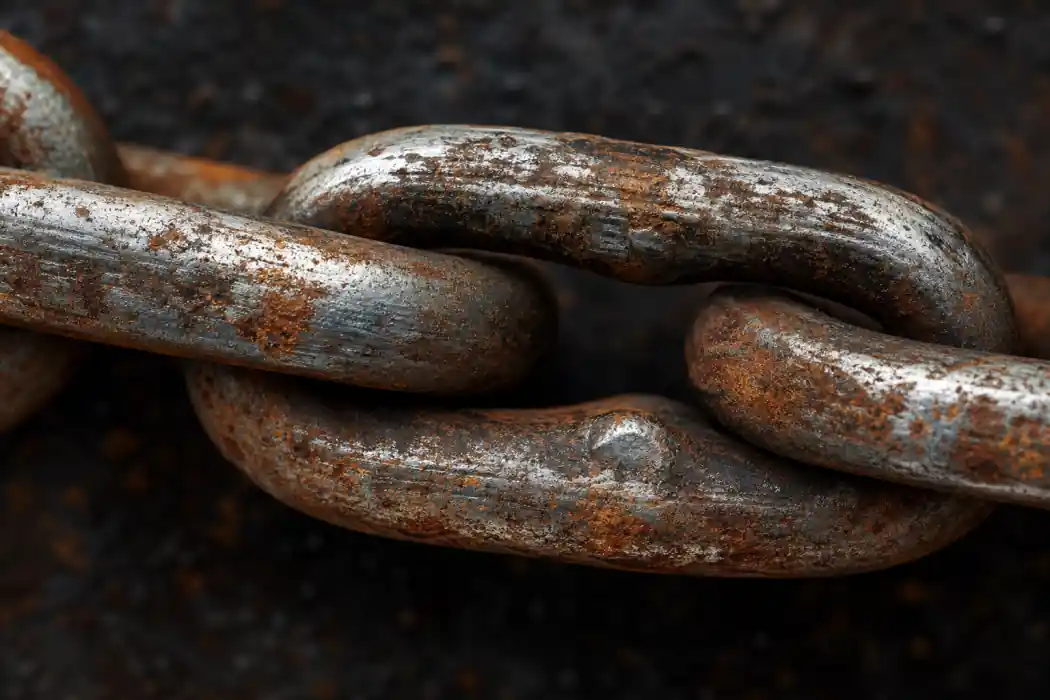
In chain systems used in chemical environments, humid operating conditions or food processing facilities, corrosion is a significant cause of failure. Corrosion leads to pitting on the surface of the chain material, reducing strength and increasing the rate of wear. Stainless steel chain selection, is the most effective approach to minimising the risk of corrosion. Chains manufactured from AISI 304 and 316 stainless steel are widely preferred in the food, pharmaceutical and chemical industries.
Overloading and Impact Loads
Loads exceeding the nominal capacity of chain and gear systems can cause permanent deformation and fracture. Particularly in applications with high starting torque, impact loads generated by jamming or sudden stopping can exceed the chain's strength. To guard against overloading failures, the actual load conditions of the application must be accurately determined and the chain selected with an appropriate safety factor.
Root Cause Analysis Methods
Post-failure root cause analysis (RCA), is a systematic review process applied to prevent the problem from recurring. In industrial chain and gear systems, RCA is concerned not only with the consequences of the failure but with the underlying causes that led to it. An effective root cause analysis consists of five key steps: data collection, failure mode identification, cause analysis, solution development, and implementation and verification.
Visual Inspection and Surface Examination
Arızalı zincir ve dişli parçalarının görsel muayenesi, kök neden analizin ilk ve en önemli adımıdır. Kırık yüzeylerinin incelenmesi, aşınma izlerinin değerlendirilmesi ve korozyon kalıntılarının tespiti, arıza mekanizması hakkında değerli bilgiler sağlar. Yorulma kırıkları, karakteristik “deniz kabuğu” desenine sahipken, aşırı yükleme kırıkları düz ve taneli bir yapı gösterir. Bu görsel ipuçları, arıza nedeninin hızlı bir şekilde belirlenmesini mümkün kılar.
Metallographic Examination
Examining the microstructure of failed parts plays a critical role in identifying material-related problems. Metallographic examination can reveal inadequate heat treatment, material heterogeneity and internal cracks. Chain and gear material selection correct decisions in this area are a determining factor in preventing metallurgical failures. Requesting material certificates compliant with ASTM and ISO standards is one of the fundamental requirements of quality assurance.
Vibration Analysis and Condition Monitoring
In modern industrial facilities, vibration analysis is widely used for condition monitoring of chain and gear systems. Vibration data enables early detection of problems such as gear wear, bearing damage and chain slack. Carrying out trend analysis with regular vibration measurements is the most effective way of setting up pre-failure warning systems. On this subject, chain failure analysis methods and prevention strategies comprehensive studies clearly demonstrate the value of vibration analysis in predictive maintenance.
Detection and Classification by Failure Type
Plastic Deformation and Permanent Elongation
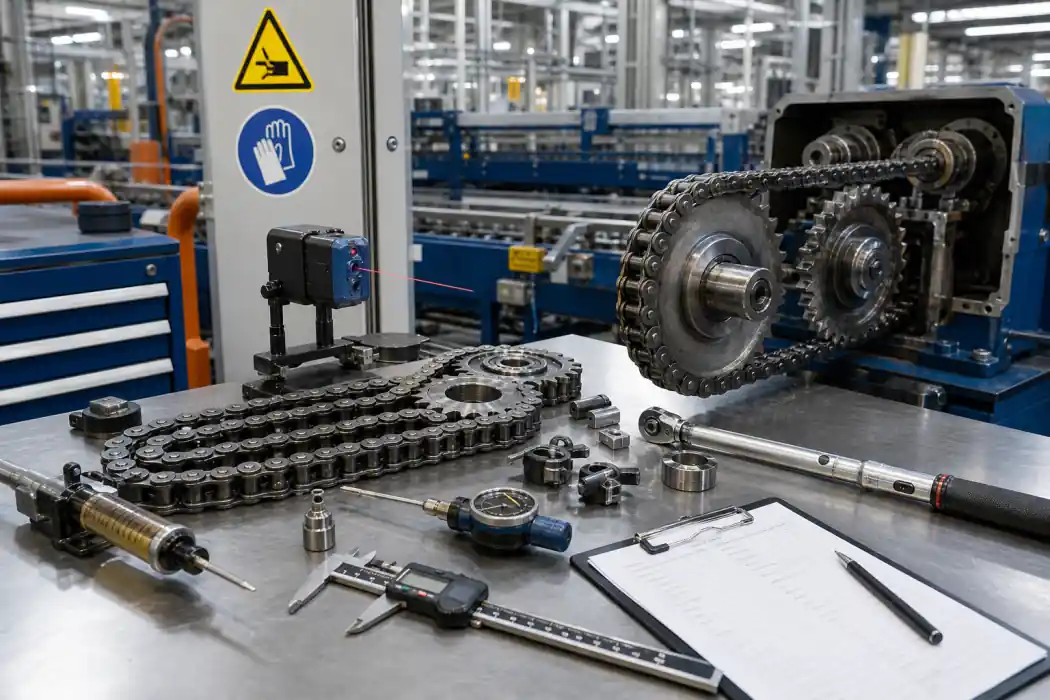
Permanent shape change of chain connecting elements under loads exceeding their elastic limit is termed plastic deformation. This causes the chain to deviate from its original dimensions and become incompatible with the sprocket. Plastic deformation usually occurs as a result of overloading or incorrect assembly. Periodic measurement of the amount of deformation is a critical monitoring parameter for keeping the system within safe operating limits.
Gear Wear Patterns
Gear wear occurs in various patterns, and each pattern points to a different root cause. Irregular wear generally indicates alignment issues, one-sided wear indicates parallelism errors, and cracks at the tooth root indicate fatigue loading. Regularly measuring the gear profile and recording the wear rate is an important tool for predicting gear life and planning replacement. Wear analysis in chain and gear systemsforms the basis of proactive maintenance planning.
Chain Connecting Element Failures
Failures of the chain's structural elements — pin, bushing, roller and plate — occur through different mechanisms. Pin wear is the primary cause of chain elongation, while roller breakage is usually the result of shock loads. Loosening or breakage of connecting elements such as spring clips and cotter pins can cause the chain to open up and come off the system. For this reason, correct assembly and periodic inspection of chain connecting elements are of great importance for safety.
Preventive Strategies and Best Practices
Correct Chain and Sprocket Selection
The most critical step in preventing failures is selecting the chain and sprocket that suit the application's requirements. A selection made with due regard to load capacity, operating speed, environmental conditions and lubrication requirements directly determines the reliability of the system. The load ratings and dimensional specifications defined in ANSI and ISO standards should serve as the reference point in the selection process. For application-specific requirements, custom chain manufacturer selection criteria working with a supplier experienced in this area provides a significant advantage.
Lubrication Protocols and Application Methods
Lubrication is one of the most important factors determining the service life of chain and sprocket systems. The right choice of oil, application frequency and lubrication method significantly reduces the rate of wear. Industrial chain lubrication and maintenance guide within this scope; automatic lubrication systems, manual lubrication methods and oil selection criteria are examined in detail. Synthetic oils should be preferred for high-temperature applications, and EP (extreme pressure) additive greases for heavy-duty conditions.
Tension Adjustment and Alignment
Correctly adjusting chain tension prevents both the increased load caused by excessive tension and the knocking and vibration problems that a loose chain can create. In industrial applications, it is recommended that chain tension be set so that the free span of the chain has a sag of approximately ten to twenty millimetres per metre. Regular inspection of sprocket alignment, in turn, significantly extends system life by preventing one-sided wear. Chain tensioning systems and correct tension adjustment technical information on this subject guides the correct implementation of this process.
Predictive Maintenance and Condition Monitoring Technologies
Traditional time-based maintenance approaches are being replaced by sensor-based condition monitoring and predictive maintenance technologies. Continuous monitoring of vibration, temperature and acoustic data via IoT sensors makes it possible to establish early-warning systems ahead of failure. These technologies can reduce unplanned downtime by fifty per cent and cut maintenance costs by thirty to forty per cent. In the era of Industry 4.0, failure analysis in industrial roller chains methods are also becoming digitalised and more proactive.
Sector-Specific Application Examples
Automotive and Manufacturing Industry
Otomotiv endüstrisinde zamanlama zincirleri ve konveyör sistemleri, üretim hattının kesintisiz çalışması için kritik bileşenlerdir. Bu uygulamalarda arıza, saatte binlerce lira değerinde üretim kaybına neden olabilir. Toyota’nın geliştirdiği Toplam Üretken Bakım (TPM) felsefesi, zincir ve dişli sistemlerinin duruş öncesi bakımını öngören sistematik bir yaklaşım sunar. Bu yaklaşımda, operatörlerin günlük kontrol listeleri ve bakım ekiplerinin periyodik derinlemesine incelemeleri bir arada yürütülür.
Food and Pharmaceutical Industry
Chain systems used in the food and pharmaceutical industry exhibit distinct failure patterns due to hygiene requirements and frequent washdown cycles. The preference for corrosion-resistant stainless steel chains is one of the requirements for compliance with food safety regulations. In these sectors, lubrication requires the use of food-contact-safe oils (NSF H1 class). Implementing regular cleaning and disinfection procedures manages both bacterial contamination and corrosion risk together.
Logistics and Packaging Systems
Conveyor chains used in logistics centres and packaging lines carry a failure risk due to continuous operating conditions and variable load profiles. In these systems, periodic monitoring of chain elongation and regular inspection of sprocket wear patterns is an effective strategy for preventing unplanned downtime. Establishing spare parts stock management and rapid response protocols is also vital for the continuity of logistics operations.
Failure Analysis Reporting and Documentation
An indispensable element of an effective failure analysis process is comprehensive reporting and documentation. For every failure event, the date, time, operating conditions, load status, last maintenance date and observed symptoms should be recorded. Regular analysis of this data enables the detection of failure patterns and the optimisation of preventive maintenance programmes. The ISO 14224 standard provides an international framework for the collection and exchange of reliability data for industrial equipment.
Building a Failure Database
Systematically collecting failure data and storing it in a central database enables trend analysis and the prioritisation of critical equipment. Reliability metrics such as MTBF (Mean Time Between Failures) and MTTR (Mean Time To Repair) are key indicators used to measure the effectiveness of maintenance strategies. Modern CMMS (Computerised Maintenance Management System) software offers powerful tools for automatically collecting and reporting this data.
Conclusion and Recommendations
Failure analysis in chain and gear systems, should not be limited merely to resolving the failure; it should be implemented as a systematic approach to identifying the root cause and preventing recurrence. Correctly identifying key failure modes such as wear, fatigue, corrosion and overloading is a prerequisite for developing appropriate preventive strategies. Correct chain and sprocket selection, regular lubrication, tension adjustment and the integration of modern condition monitoring technologies significantly reduce the risk of failure.
To achieve reliability targets in industrial applications, failure analysis processes must be institutionalised, failure data must be collected systematically, and maintenance strategies must be continuously improved. As Gurur Makina, failure analysis in chain and gear systems we contribute to the operational continuity of your industrial facilities through our technical consultancy and correct product selection services. Please feel free to contact us for detailed information and expert support.
failuremaintenancegearindustrial chainpower transmission