
OVERVIEW
Transmission Chains
CATALOGUE
You can click the link below to download our general catalogue covering all our products.
Download Catalogue PDFDIN8187 SERIES B TRANSMISSION CHAINS
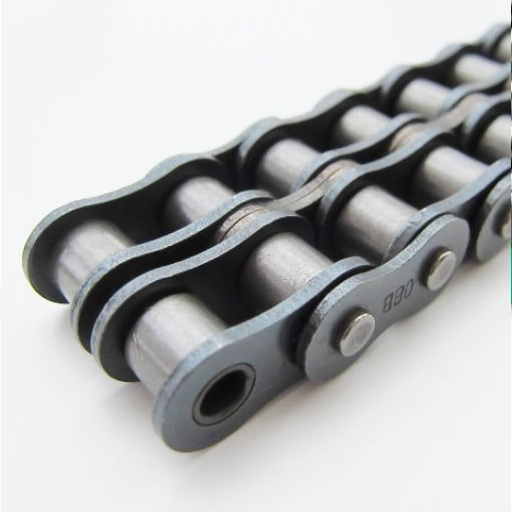 You can download the technical document about the product from the link below.
PDF Catalogue
You can download the technical document about the product from the link below.
PDF Catalogue DIN8188 ASA SERIES TRANSMISSION CHAINS
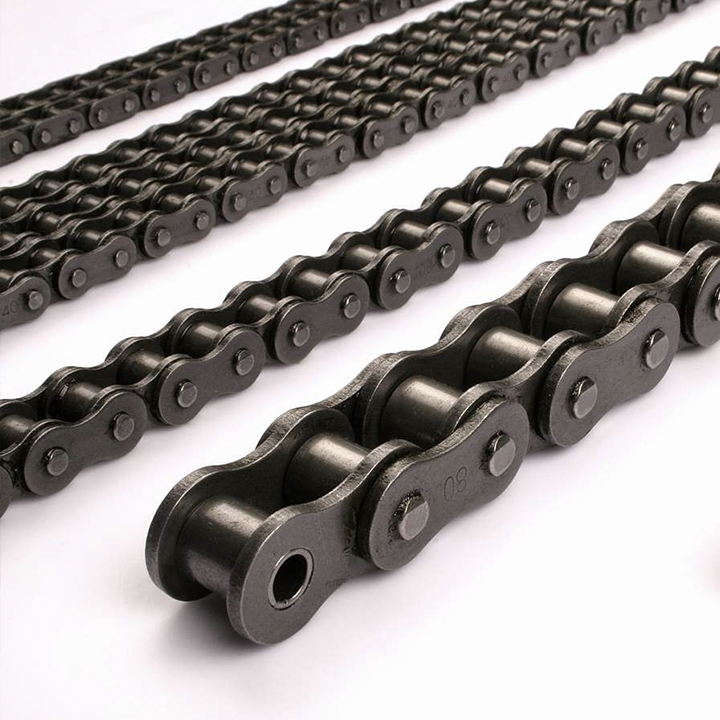 You can download the technical document about the product from the link below.
PDF Catalogue
You can download the technical document about the product from the link below.
PDF Catalogue STAINLESS STEEL CHAINS
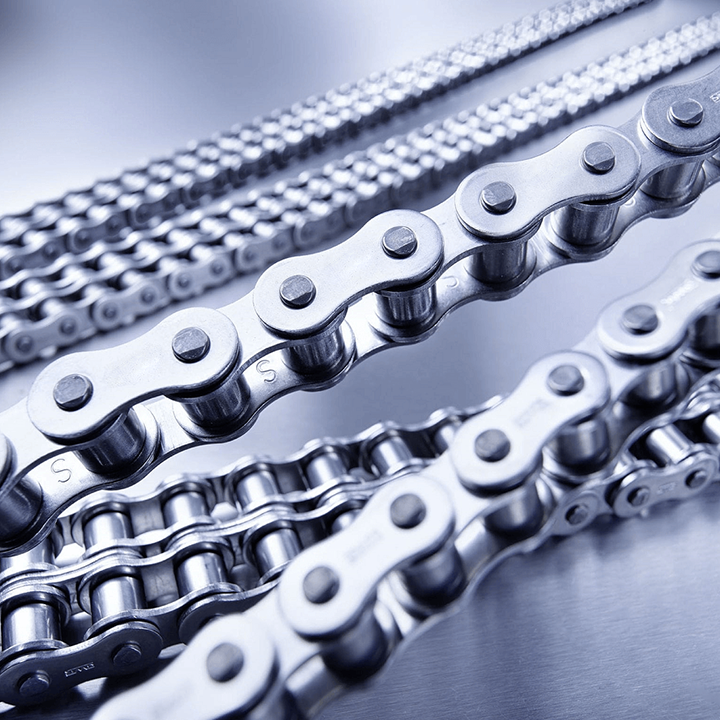 You can download the technical document about the product from the link below.
PDF Catalogue
You can download the technical document about the product from the link below.
PDF Catalogue EXTENDED PIN CHAINS
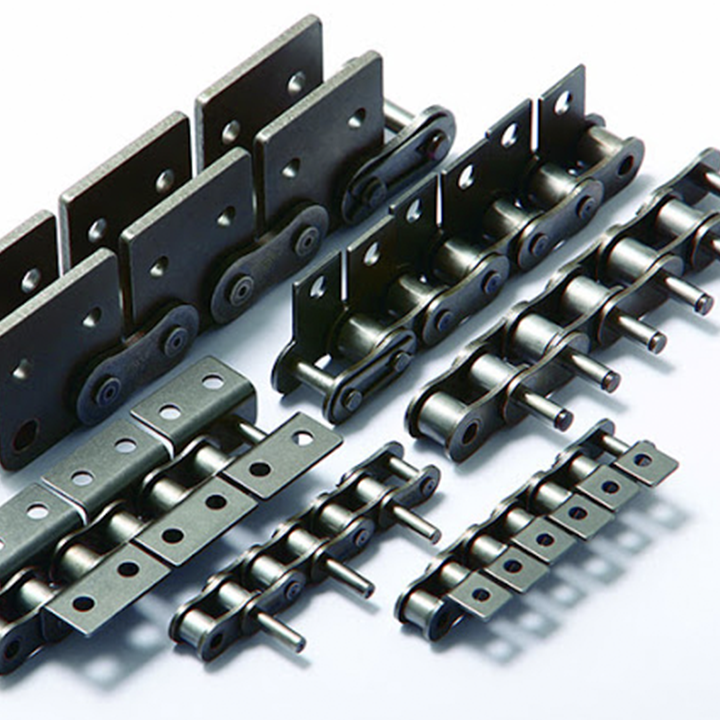 You can download the technical document about the product from the link below.
PDF Catalogue
You can download the technical document about the product from the link below.
PDF Catalogue ATTACHMENT CHAINS
 You can download the technical document about the product from the link below.
PDF Catalogue
You can download the technical document about the product from the link below.
PDF Catalogue HOLLOW PIN CHAINS
 You can download the technical document about the product from the link below.
PDF Catalogue
You can download the technical document about the product from the link below.
PDF Catalogue AGRICULTURAL CHAINS
 You can download the technical document about the product from the link below.
PDF Catalogue
You can download the technical document about the product from the link below.
PDF Catalogue LONG PITCH CHAINS
 You can download the technical document about the product from the link below.
PDF Catalogue
You can download the technical document about the product from the link below.
PDF Catalogue COMBINE HARVESTER CHAINS
 You can find technical information about the product via the link below.
Brands
You can find technical information about the product via the link below.
Brands STRAIGHT SIDE PLATE CHAINS
 You can download the technical document about the product from the link below.
PDF Catalogue
You can download the technical document about the product from the link below.
PDF Catalogue SILENT CHAINS
 You can download the technical document about the product from the link below.
PDF Catalogue
You can download the technical document about the product from the link below.
PDF Catalogue PIV VARIATOR CHAINS
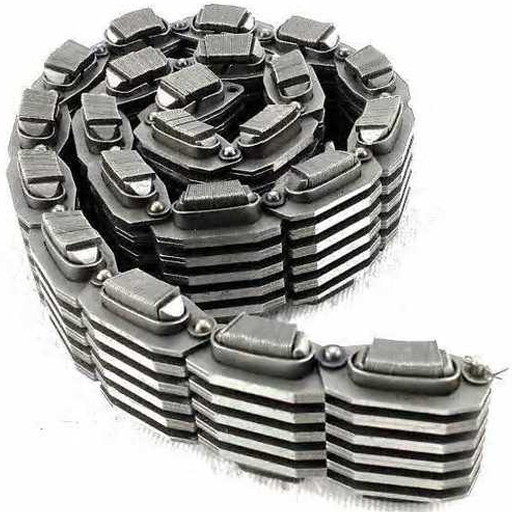 You can download the technical document about the product from the link below.
PDF Catalogue
You can download the technical document about the product from the link below.
PDF Catalogue HEAVY DUTY (H) TYPE CHAINS
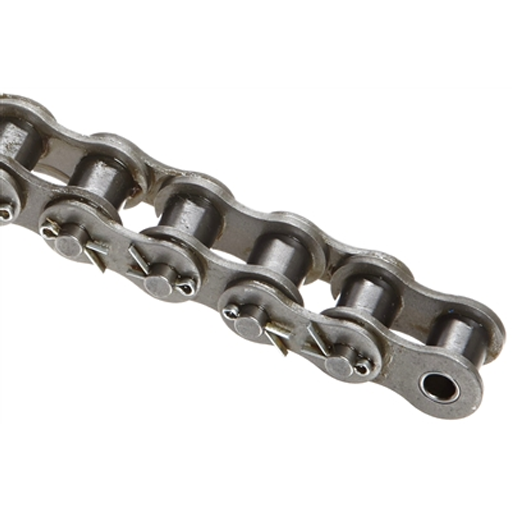 You can download the technical document about the product from the link below.
PDF Catalogue
You can download the technical document about the product from the link below.
PDF Catalogue SIDE-FLEXING CHAIN
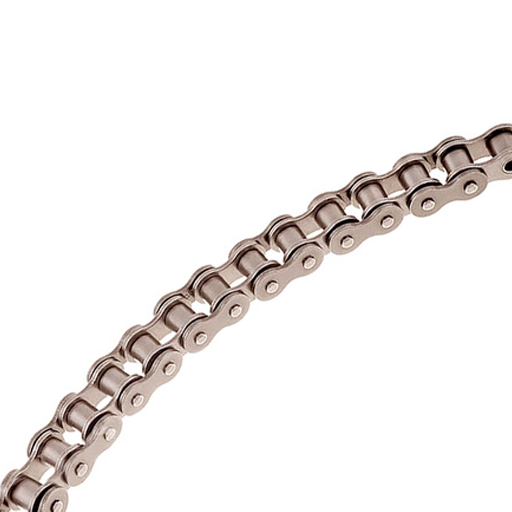 You can download the technical document about the product from the link below.
PDF Catalogue
You can download the technical document about the product from the link below.
PDF Catalogue RUBBER TOP CHAINS
 You can download the technical document about the product from the link below.
PDF Catalogue
You can download the technical document about the product from the link below.
PDF Catalogue U-BRIDGE CHAINS
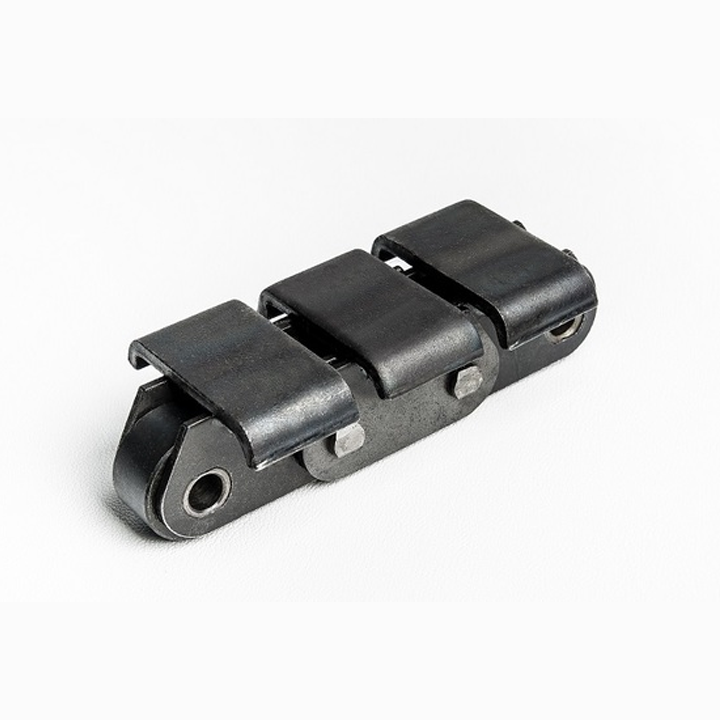 You can download the technical document about the product from the link below.
PDF Catalogue
You can download the technical document about the product from the link below.
PDF Catalogue Transmission Chains – Attachment Chain
Transmission Chains are industrial chain models also known as drive chains. The best chain brand quality products can be obtained from Gurur Makina. The chain used to transfer motor torque to a different system provides speed and torque conversion. Through the integration of gears and chains, motor power is transferred to different systems. This particularly robust chain type stands out as a sturdy, stainless model with the necessary flexible structure. However much it wears within the system it is used in, this chain model proves itself through its durable structure.
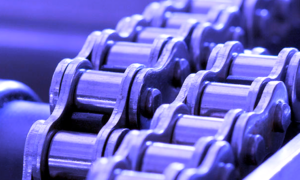
Transmission chains, made up of 5 components known as the pin, roller, bush, and inner and outer plates, are used across a very wide range of industrial fields. Suited to tension, friction, and demanding power transmission, these models offer a remarkably long service life.

In transmission chain models, there is a gap between two pins known as the pitch. In fact, this gap stands out as a distinctive feature of the chain model. Chain models designed and manufactured to best suit demanding working conditions run for years despite tough operating conditions, without causing any trouble along the way. When the necessary maintenance is carried out, this chain model proves to be a long-lasting and reliable one.
Transmission Chain Models
Transmission chain models can be examined under three headings in terms of shape and functional structure. Chain models, divided into groups such as attachment-type and extended-pin, deliver advantageous results in different fields due to the differences between these models. Thanks to the industrial power transmission chain, the motor's rotational force is transferred to a structure connected to the same system. This system, designed to avoid any power loss, delivers high efficiency during transfer. There is a flawlessly matched structure between the gear and chain clearances. Thanks to this structure, the motor's operating performance is transferred appropriately and without any issues.
Although the operating principle is the same across transmission chain models, there are differences in shape and use. Requirements arising from specific operating conditions are met through the options the manufacturer provides. Thanks to chain models with portable and practical features, there is no drop in working performance and no loss of power.
Applications of Transmission Chains
Transmission Chains is used across a wide range of industrial applications. As the name suggests, it connects two systems and transfers motion between them. By transmitting rotational force, power transfer is achieved, enabling many operating systems to run with high efficiency. High-strength metals are used in chain manufacturing. During metal processing, additional work is carried out to make the system even more robust. Once production is complete, maintenance carried out at the required intervals keeps the service life very high.
Power-transmitting chain models have made it possible to design systems with a more complex and practical structure. Chain models suited to their intended use have met industry needs through a system that supports the manufacturing and processing sectors. Transmission chains stand out as a highly important example of how mechanical systems contribute to various industries. Products distinguish themselves through differences in shape, size and area of use. Using the code information that differentiates chain models from one another, it is possible to place the correct order and obtain the product you need.
Our Transmission Chain Service
As a manufacturer, we meet your requirements for transmission chain models in the most suitable way. In line with your plans and projects, we offer you significant convenience in chain models and sizes. We meet your industrial chain requirements to ensure fast and reliable production. The chain models required for power transmission work in close harmony with the system they are connected to, making your operations easier. Detailed information on our products and prices is available to you. Chain models with the highest level of performance and quality, offered by our company, provide you with all the convenience you need.
Quality, fitness for use and cost-effectiveness are among the priorities our company places great importance on in chain manufacturing. Our chain models, manufactured to withstand all kinds of power and tension demands, will adapt to your system and provide significant support for your continuous operating conditions. Our robust, rust-resistant chain models will offer you long service life when properly maintained. You can view our products and place your order under the terms most suitable for you.
What Are Lugged Chains? Why Are They Important?
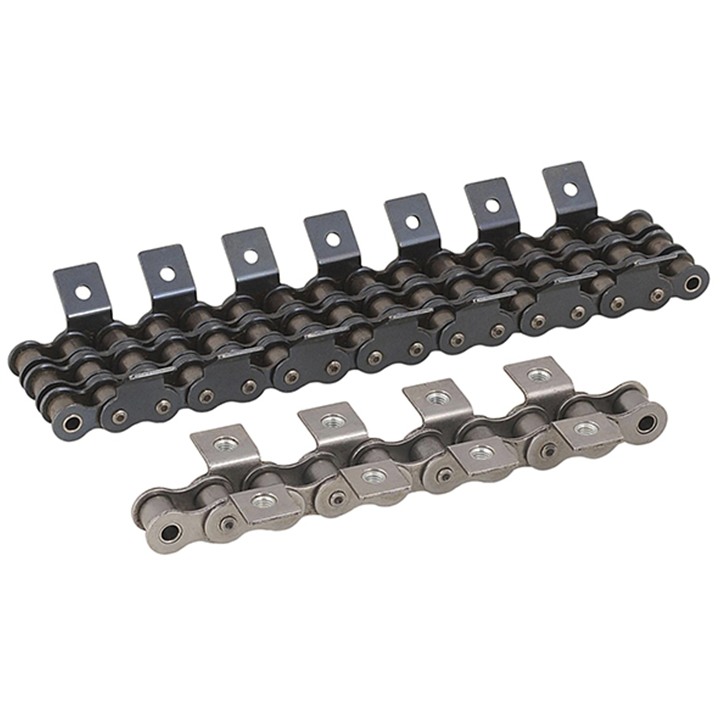
Lugged chains, are a highly important tool for the operation of installed modular belt systems. Thanks to a chain in the centre and perforated lugs on either side, belts can be fitted with ease. This allows products to be transported to specific locations and dropped into a tank. In fact, these lugged chain models, used especially in factories, are extremely important for such systems to operate efficiently. The benefits they provide ensure trouble-free operation within systems and enable the desired advantages to be achieved.
Lugged Chain Models
There are many modular belt models, but PVC modular belt systems have become the most frequently preferred type. In fact, thanks to these models, any transport operation that needs to be carried out can be performed in an extremely efficient and trouble-free manner. In this way, the opportunities provided mean that even the smallest problems are avoided.
What Is a Transmission Chain?
A transmission chain is a machine element that transfers the rotational motion and torque taken from a motor to another shaft via sprockets. In the industry it drive chain or power transmission chain is also known as. Unlike belt-pulley systems, it transmits motion through positive engagement rather than friction: the chain links seat onto the sprocket teeth, so there is no slippage and the transmission ratio remains constant.
A standard roller transmission chain consists of four components: inner plate, outer plate, bushing and roller. The dimensions and material quality of these components directly determine the load the chain can carry and its service life.
What Is a Transmission Chain Used For?
A transmission chain has three basic functions:
- Power transmission: It transfers motor power to the working shaft without loss. The efficiency of the chain-sprocket system stays high with correct tension and lubrication.
- Speed conversion: By using sprockets with different tooth counts, speed is reduced or increased.
- Position retention: As there is no slippage, the angular relationship between the driving and driven shafts is maintained; this is decisive on lines requiring synchronous operation.
DIN 8187 (Series B) Transmission Chain Sizes
The European standard Series B is the most widely used transmission chain family in Turkey. The table below shows typical dimensions and approximate minimum breaking loads for single-strand (simplex) chains; exact values may vary by manufacturer's catalogue.
| Code | Pitch (mm) | Roller diameter (mm) | Inner width (mm) | Approximate breaking load (kN) |
|---|---|---|---|---|
| 06B-1 | 9,525 | 6,35 | 5,72 | 9,0 |
| 08B-1 | 12,70 | 8,51 | 7,75 | 18,0 |
| 10B-1 | 15,875 | 10,16 | 9,65 | 22,2 |
| 12B-1 | 19,05 | 12,07 | 11,68 | 28,9 |
| 16B-1 | 25,40 | 15,88 | 17,02 | 60,0 |
| 20B-1 | 31,75 | 19,05 | 19,56 | 95,0 |
| 24B-1 | 38,10 | 25,40 | 25,40 | 160,0 |
Load capacity increases in double-strand (duplex) and triple-strand (triplex) versions; the number at the end of the code indicates the number of strands (e.g. 08B-2, 08B-3).
DIN 8188 (ASA / ANSI Series) Sizes
The American standard ASA series is mainly encountered on imported machinery. Even when they share the same pitch as the B series, roller diameter and inner width differ, so the two series cannot be substituted for one another.
| Code | ANSI | Pitch (mm) | Roller diameter (mm) | Inner width (mm) | Approximate breaking load (kN) |
|---|---|---|---|---|---|
| 08A-1 | 40 | 12,70 | 7,92 | 7,85 | 13,9 |
| 10A-1 | 50 | 15,875 | 10,16 | 9,40 | 21,8 |
| 12A-1 | 60 | 19,05 | 11,91 | 12,57 | 31,3 |
| 16A-1 | 80 | 25,40 | 15,88 | 15,75 | 55,6 |
| 20A-1 | 100 | 31,75 | 19,05 | 18,90 | 87,0 |
| 24A-1 | 120 | 38,10 | 22,23 | 25,22 | 125,0 |
What Should Be Considered When Selecting a Transmission Chain?
Selection is made in five steps:
- Determine the power and speed to be transmitted. Motor power (kW) and the small sprocket's speed (rpm) are the inputs to the calculation.
- Apply the service factor. A low factor is chosen for smooth loads, and a high factor for shock loads and all-day operation. The calculated power is multiplied by the factor to obtain the design power.
- Select the pitch. A small pitch is quieter and suits higher speeds; a large pitch carries higher torque. Transmitting the same power with a small-pitch, multi-strand chain generally gives a quieter result than a large-pitch single strand.
- Check the number of teeth. Going below 17 teeth on the small sprocket increases the polygon effect and the impact on the chain.
- Assess the working environment. Where there is moisture, chemical or food contact, choose the stainless range; in dusty environments, a suitable lubrication regime should be selected.
For content explaining the calculation method step by step, Machine Chain Selection: Pitch, Breaking Load and Service Factor article.
Which Transmission Chain Type Should You Choose?
- Standard roller chain: General power transmission. Pump, fan and conveyor drives.
- Attachment chain: Lines where carrying slats or pallets are fitted. The attachment type and spacing must be specified when ordering.
- Extended pin chain: Pushing and guiding products with extended pins.
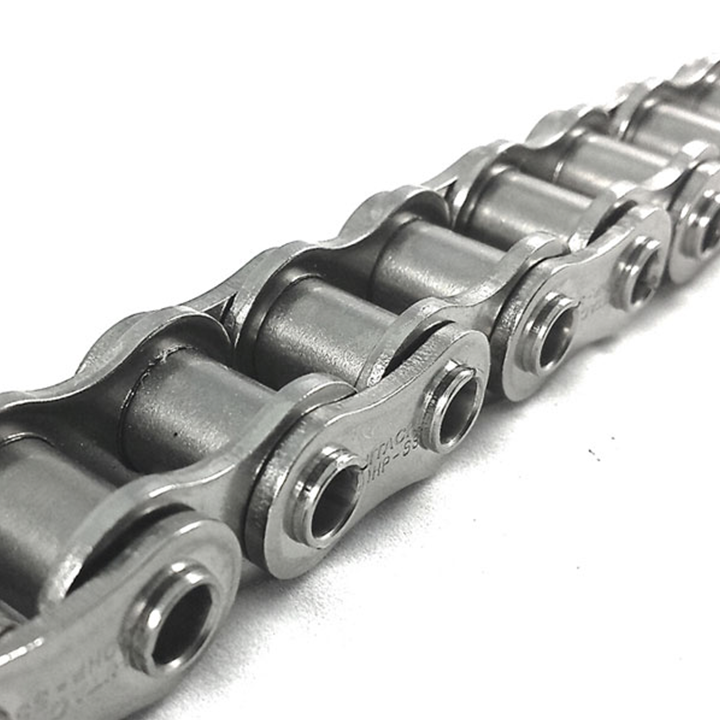
- Drilled-pin chain: Applications where additional fixtures are bolted on.
- Stainless steel chain: Food, pharmaceutical, chemical and wet environments. Corrosion resistance is high, but breaking load is lower than carbon steel.
- Agricultural chain: A construction that tolerates dusty, abrasive farming conditions.
Maintenance That Extends Chain Life
Three variables determine the service life of a transmission chain: tension, alignment and lubrication.
- Elongation tracking: A chain exceeding 2% of its nominal length is replaced; at 3% it starts climbing on the sprocket.
- Alignment: Sprockets must lie in the same plane. A shiny mark on the side faces of the plates is a sign of misalignment.
- Lubrication: Lubricant must reach between the pin and bush. Oil applied only to the outer surface attracts dust and accelerates wear.
- Replacement together with the sprocket: A new chain fitted to a worn sprocket wears out in a short time.
How Are Transmission Chain Prices Determined?
The factors that determine price are the series (B or ASA), pitch size, number of strands, material (carbon steel or stainless), chain length and the need for additional parts. For applications requiring a non-standard attachment layout or special plates, the manufacturing process comes into play.
At Gurur Makina, we supply both stocked standard chain and custom manufacturing to sample. When you send us a photo or sample of a chain whose size you are unsure of, we work out its standard equivalent and share the suitable option with you. For pricing, price request form you can use, and for a technical assessment, contact you can reach us via the page.
Frequently Asked Questions
Can B Series and ASA Series Chains Be Used Interchangeably?
No, they cannot. Even when the pitches are the same, the roller diameter and inner width differ, and the sprocket profile is also machined to suit the series. Using the wrong series wears out both the chain and the sprocket in a short time.
How is chain elongation measured?
Measurement is not taken from a single link, but over at least ten links. The actual pitch is found by dividing the total measured length by the number of links and comparing it with the nominal value. Measuring a single link is misleading.
How much tension should a chain have?
In horizontal drives, the free sag is approximately 2-3 percent of the centre distance. This value is reduced on vertical and inclined lines. Excessive tension breaks the oil film, while a loose chain strikes the sprocket.
Can stainless steel chain be used in any environment?
Corrosion resistance is high, but the breaking load is lower than that of carbon steel chain. Load calculations should be based on the stainless series' own values.
Can only the broken link of the chain be replaced?
This can be done as a temporary solution, but it is not permanent. A new link fitted to an elongated chain runs at a different pitch and creates uneven load on the sprocket. The correct approach is to replace the entire chain.