
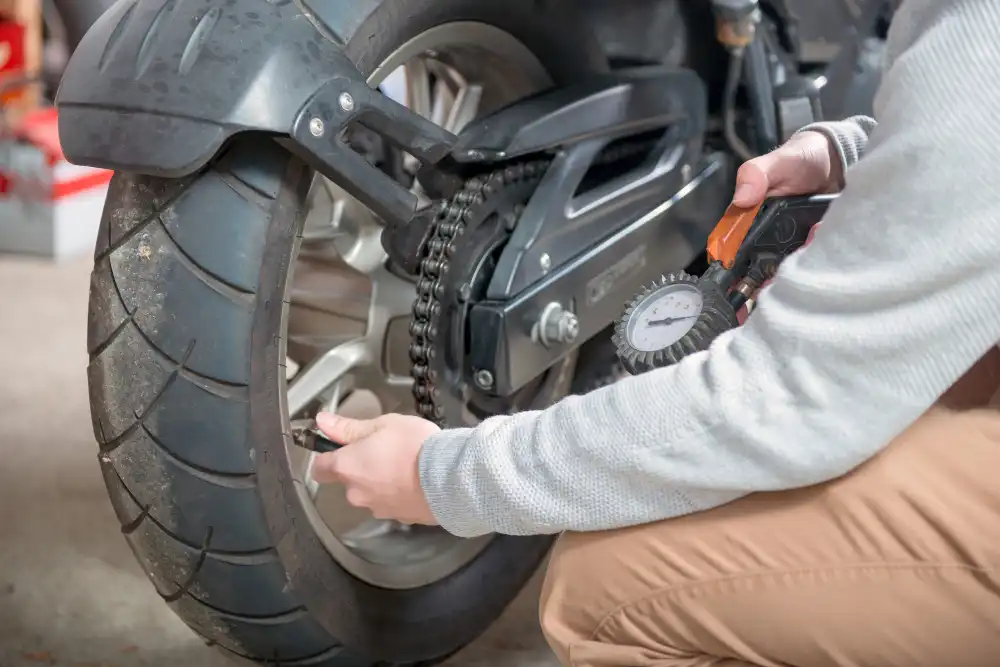
Transmission chains are important mechanical components that play a critical role in industrial applications. When properly maintained, they can operate efficiently over a long service life. At Gurur Makina, drawing on our 36 years of experience, we offer our customers valuable tips for extending the life of their chains.
Why Are Transmission Chains Important?
Transmission chains are fundamental components that transmit mechanical power between motor-driven equipment. The smooth operation of these chains keeps production processes running without interruption. Power transmission problems on production lines can lead to serious losses of time and cost. For this reason, selecting and using the right transmission chain correctly is of great importance. A well-maintained transmission chain boosts system efficiency, reduces energy losses and allows equipment to run more stably. It also prevents unexpected breakdowns, minimising occupational safety risks.
The Importance of Chain Maintenance
Transmission chains are continuously exposed to friction, load and environmental effects during operation. Dust, moisture, chemicals and temperature fluctuations can directly affect chain performance. For this reason, regular maintenance significantly extends the chain's service life and preserves system performance. Chains that are not properly maintained may develop elongation, wear, increased noise and a risk of breakage.
As Gurur Makina, the key maintenance steps we recommend to our customers are regular lubrication, correct tension control, chain and sprocket cleaning, wear inspection and periodic technical checks. Proper maintenance practices ensure production continuity, reduce maintenance costs and enable long-term use of equipment.

- Regular lubrication
- Tension control
- Wear inspection
- Cleaning
- Proper storage
1. Regular Lubrication
2. Tension Control

3. Wear Inspection
Quality Chains with Gurur Makina
With 36 years of industry experience, Gurur Makina prioritises quality, durability and reliability in the manufacture of transmission chains. Produced in modern facilities with state-of-the-art equipment and an expert technical team, our chains are designed to withstand demanding working conditions. Quality control stages are meticulously applied throughout production to guarantee product performance.
Gurur Makina transmission chains are manufactured in accordance with international standards such as ISO 606 and ANSI B29.1. These standards cover global quality requirements in terms of chain dimensions, strength values and performance criteria, thereby offering customers high performance, a long service life and reliable operation. Gurur Makina provides customers with a long-term solution partnership not only through manufacturing but also through technical consultancy and after-sales support services.
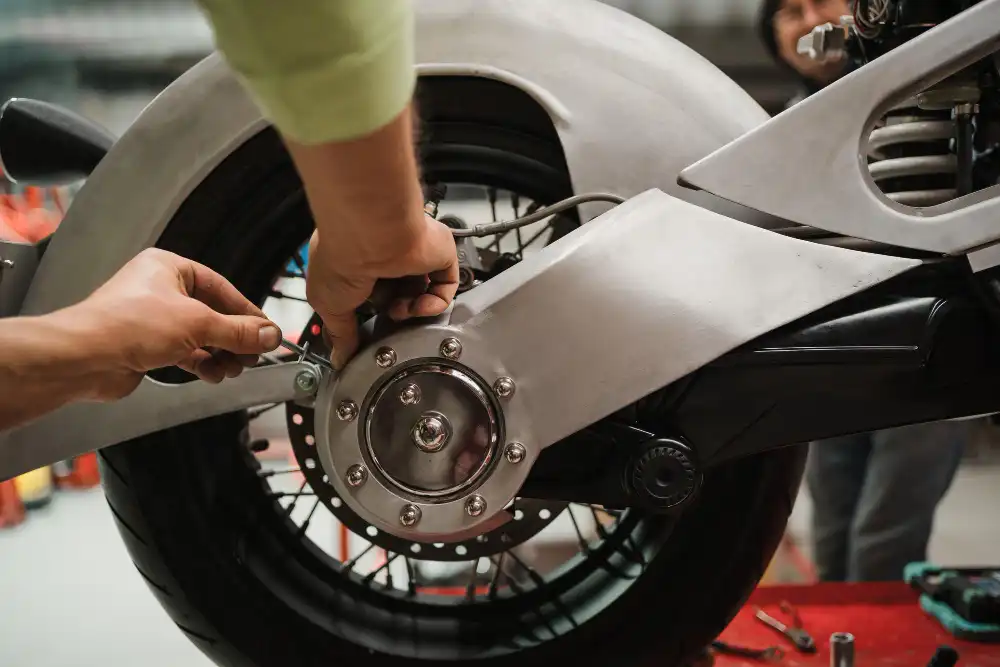
With proper maintenance, Gurur Makina chains can operate efficiently over a long service life. Durability is enhanced in our products through special heat treatment processes.
Choosing the Right Chain
In transmission chains, selecting the correct chain model is just as critical as maintenance for system performance and equipment safety. Choosing a chain unsuited to the application can lead to serious problems such as premature wear, risk of breakage, energy loss and production stoppages. For this reason, working conditions must be technically analysed when selecting a chain, and the type best suited to the application must be determined. The right chain selection extends equipment life, reduces maintenance costs and increases production efficiency. The following key factors must always be evaluated during the chain selection process:
Applied Load Amount
Operating Speed
Environmental Conditions
Temperature and Humidity
Corrosive Effects
Correct chain selection provides businesses with significant advantages in terms of system safety, efficiency and long-term cost management.
Creating a Maintenance Schedule
Establishing a regular maintenance schedule for transmission chains is of great importance for extending equipment life and preventing sudden breakdowns. Unplanned maintenance processes can lead to both production losses and high repair costs. For this reason, it is recommended to establish a periodic and systematic maintenance schedule. Properly planned maintenance processes help preserve chain performance, increase energy efficiency and reduce workplace safety risks. The following periods can be applied as an example for creating an efficient maintenance programme:
Weekly: Visual Inspection and Lubrication
Monthly: Tension Check and Cleaning
Every Six Months: Wear Measurement and Detailed Inspection
Annually: Complete System Check and Chain Replacement
Implementing a regular maintenance schedule supports production continuity and contributes to the long-term use of equipment.
Common Problems and Solutions
When transmission chains are not correctly selected or regularly maintained, various performance problems can arise. Early detection of these problems is of great importance for preventing system failures and production losses.
Chain Elongation (Stretching)
Solution: Regular lubrication should be carried out, the elongation rate should be measured periodically, and the chain should be replaced once it reaches the 2% limit.
Excessive Noise and Vibration
Solution: Chain tension should be checked, sprocket alignment should be adjusted, and proper lubrication should be applied.
Premature Wear
Solution: A chain suitable for the environmental conditions should be selected, the correct oil should be used, and regular cleaning should be carried out.
Chain Breakage
Solution: A chain with the correct load capacity should be selected, and regular maintenance checks should not be neglected.
Early detection of common problems and proper maintenance practices increase system safety and can significantly reduce operating costs.
Gurur Makina’nın Destekleri
Gurur As Gurur Makina, we don't just manufacture high-quality transmission chains — we also provide our customers with comprehensive technical support and consultancy services. Thanks to our 36 years of industry experience, we accurately analyse the needs of chain systems used across different industries and recommend the most suitable solutions. Our expert technical team stands by our customers on chain selection, system installation, usage optimisation and maintenance planning. Through the right product choice and correct use, we aim to increase businesses' efficiency and minimise the risk of breakdowns.
Solutions for Special Applications
Standard transmission chain models, we also carry out project-specific chain production for special industrial applications. These custom-designed chains are optimised according to factors such as the working environment, load capacity, speed, temperature and chemical exposure. By offering tailor-made solutions suited to fields such as heavy industry, food production, automotive production lines, agricultural machinery and special production processes, we develop products that fully match our customers' needs.
Correct chain selection and regular maintenance practices are essential for transmission chains to operate efficiently and achieve a long service life. Choosing the right product increases system safety while lowering maintenance costs and supporting production continuity. As Gurur Makina, with our 36 years of experience, we offer our customers both high-quality products and technical knowledge and consultancy support. Feel free to contact us with any questions about chain selection, use or maintenance.
For more information, you can visit our website: