
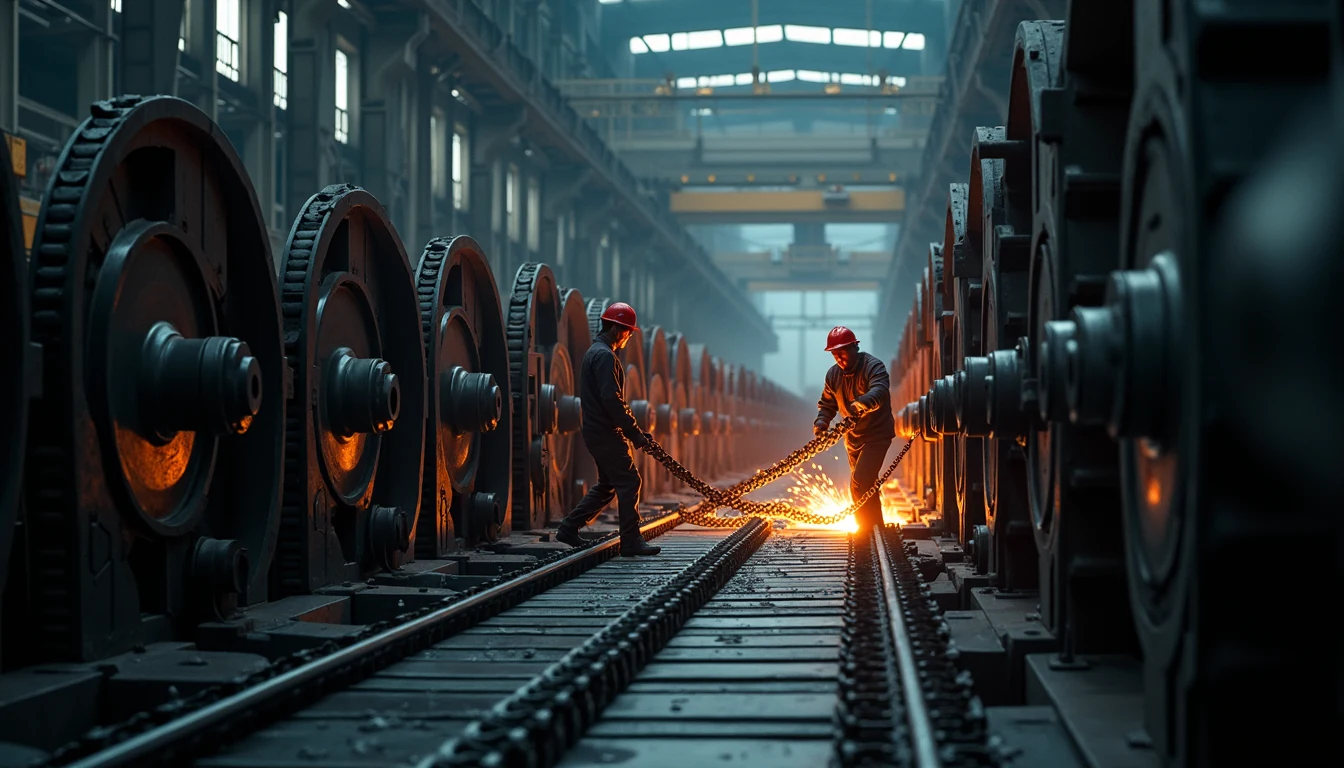
In industrial facilities, chain and sprocket systems form the backbone of the production line. When a conveyor chain fails, a sprocket assembly unexpectedly goes out of service, or a break occurs in the supply chain, the entire factory grinds to a halt. This situation is not limited to lost production alone; it also brings a domino effect of consequences such as logistics disruptions, delayed customer deliveries and reputational damage.
This is precisely why crisis management in industrial chain and sprocket supplyis not merely an operational procedure, but a strategic necessity. In this article, we will look at how to respond quickly in a crisis, how to set up emergency supply channels, and how to safeguard operational continuity.
What Is a Crisis, and Why Is It Common in Industrial Supply?
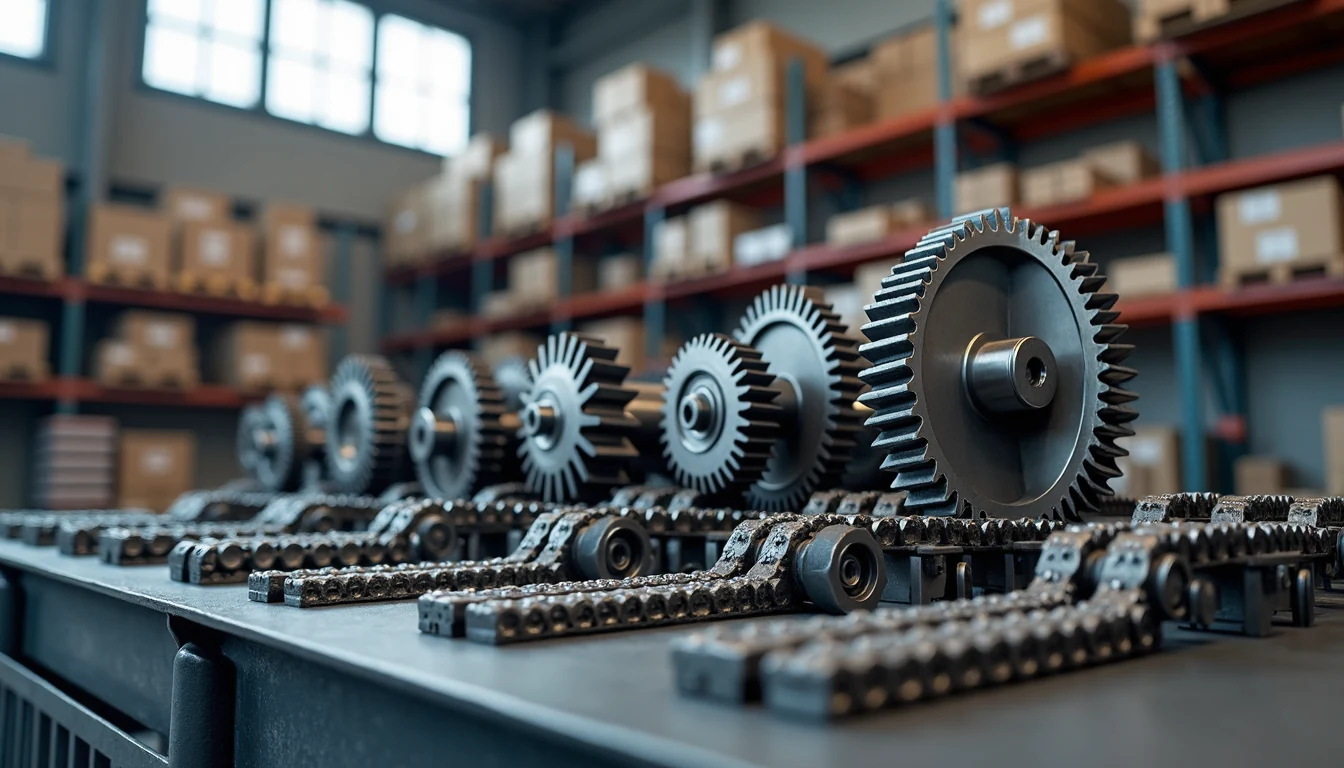
In industrial terms, a crisis is a situation that disrupts normal operational flow and, if left unaddressed, leads to serious financial losses. In the context of chain and sprocket supply, the sources of crisis can be listed as follows:
Supply chain disruptionsoccur due to global market fluctuations, raw material shortages or logistics disasters. During the pandemic, many plants paid a heavy price for being unable to source spare parts.
Unexpected equipment failures, chain breakages and gear damage occur suddenly, especially at plants with inadequate maintenance planning. This creates an urgent need for spare parts.
Issues on the supplier's sideshow themselves as capacity reduction, bankruptcy or a breakdown in communication at the manufacturing company. Businesses that depend on a single supplier carry the greatest risk in this situation.
Natural disasters and logistics catastrophes, such as earthquakes, floods or the closure of international trade routes, can make supply physically impossible.
Although each type of crisis requires a different response, the common factor is being prepared. Crisis management begins before a problem arises, not after.
Core Principles of Emergency Supply Strategies
Rapid Response Capability
The most valuable resource during a crisis is time. The production line loses revenue for every hour it stands idle. For this reason, the emergency supply process must be built on predefined rapid response protocols. How quickly a supplier can react during a crisis is the true measure of its reliability.
Gurur Makina , an Ostim-based manufacturer, offers rapid response capability during a crisis through its local stock advantage and technical support team. Keeping production and dispatch times short on urgent orders minimises the plant's downtime.
Alternative Supply Routes
Dependence on a single supplier is the greatest weakness in a crisis. Alternative supply routes are backup plans that come into play if the primary source becomes unavailable. These routes need to be predetermined, tested and secured under contract.
Plants working with domestic manufacturers minimise the logistics risks arising from import dependence. In particular, exchange rate fluctuations and uncertainties in customs processes make overseas supply unreliable during periods of crisis.
Stock Management and Backup Policy
Smart stock management neither ties up capital by holding excessive stock nor completely neglects spare parts. For critical chain and gear components, a safety stock level should be set, and this stock should be replenished regularly.
It is particularly recommended to maintain safety stock for the following parts:
- Primary chain types used on the main production line
- Gear sets that are replaced frequently
- Custom-dimension components that are not easily sourced
- Imported parts with long lead times
These stocks are like a fire extinguisher: they look like a cost when unused, but become the plant's saviour in a moment of crisis.
Supplier Selection Criteria in the Crisis Management Process
1. Stock Depth and Rapid Dispatch Capacity
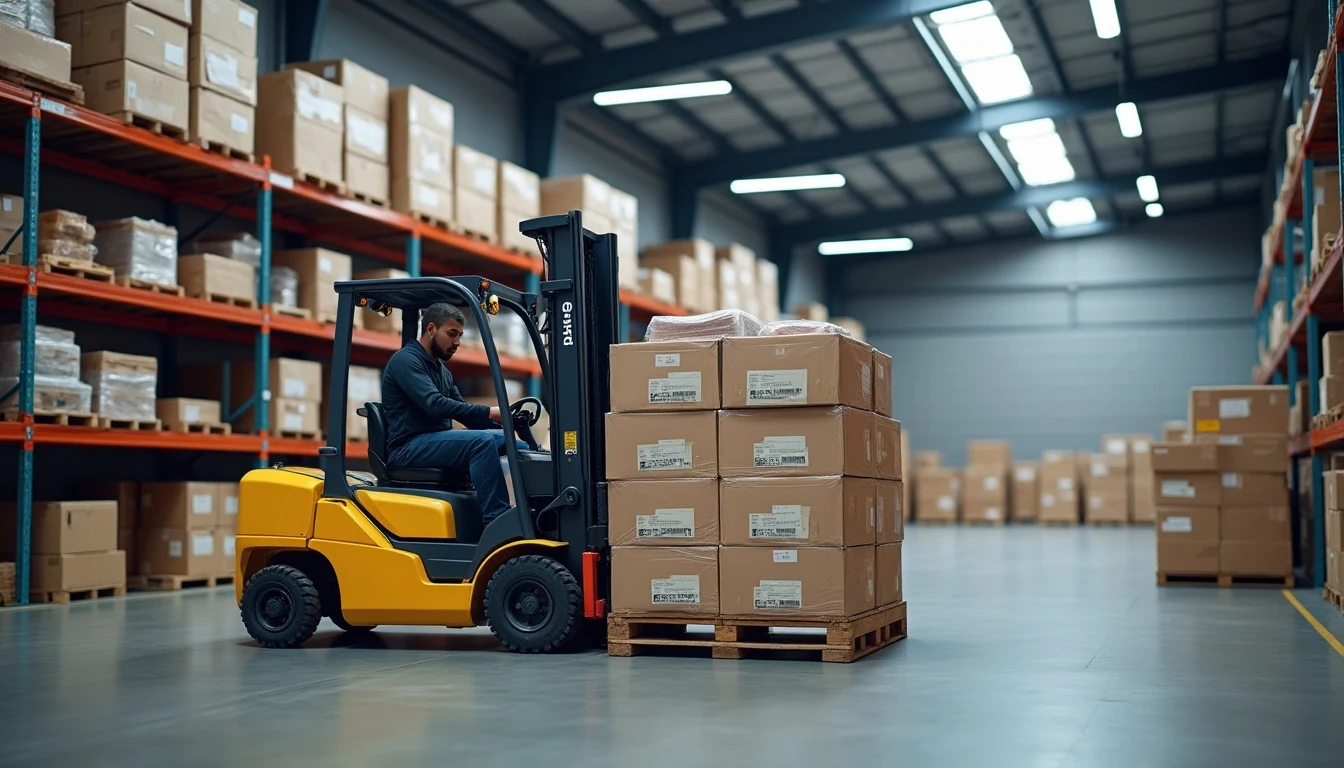
Kriz anında tedarikçinin kendi deposunda ne kadar stok bulundurduğu hayati önem taşır. Üretici veya distribütör, acil taleplere anında cevap verebilecek stok derinliğine sahip olmalıdır. Gurur Makina’nın Ostim’deki deposu, endüstriyel zincir ve dişli çeşitlerinde geniş bir stok yelpazesi sunarak acil ihtiyaçlara hızlı çözüm üretir.
2. Technical Support and On-Site Response Speed
A crisis is not resolved by parts supply alone. In most cases, the root cause of the failure must be identified, the correct part selected, and the installation carried out. The supplier's technical support team, field experience and installation capacity determine the quality of the crisis response.
When a chain breaks or a gear is damaged, it should be remembered that the problem may not be solved by simply replacing the part. Root cause analysis, proper part selection and installation accuracy prevent repeated failures.
3. Production Flexibility and Custom Manufacturing Capacity
When chains or gears in non-standard sizes are needed, the supplier's ability to carry out custom manufacturing becomes critical. Standard catalogue parts may not be available during a crisis; in such cases, a manufacturer capable of rapid prototyping and production can save the plant from a complete standstill.
With its custom chain and gear manufacturing capacity, Gurur Makina can also respond to its customers' urgent and non-standard needs. This flexibility is one of the most valuable elements of crisis management.
4. Communication and Transparency
The most frustrating situation in a crisis is being unable to get information from the supplier. Uncertainty over delivery dates, lack of visibility into order status, or a breakdown in communication all multiply the impact of the crisis. A reliable supplier maintains transparent communication throughout the crisis, provides realistic delivery times and gives advance notice of any possible delays.
5. Contract and SLA Assurance
Service level agreements (SLAs) clarify how quickly a supplier will respond in a crisis, along with its delivery commitment and response time. These agreements form the legal assurance underpinning crisis management. Choosing a supplier with clear, enforceable SLA terms removes uncertainty in a crisis.
Pre-Crisis Preparation: Preventive Planning
Risk Assessment and Scenario Analysis
Every plant should map its own risks. Which equipment is most likely to fail? Which chain and gear types sit on the critical path? Where are the weak links in the supply chain? The answers to these questions form the basis of crisis scenarios.
Senaryo analizi, “ne olur eğer” sorusunu sistematik olarak sorar. Birincil tedarikçi devre dışı kalırsa ne olur? Hammaddede fiyat dalgalanması yaşanırsa ne olur? Lojistik güzergah kapanırsa ne olur? Her senaryo için yanıtlar önceden hazırlanmış olmalıdır.
Supplier Diversification
One of the fundamental rules of risk management is eliminating single-point dependency. Keeping more than one approved supplier for chain and gear supply ensures that an alternative route can be activated immediately if the primary source goes offline during a crisis.
However, supplier diversification does not mean working with every supplier continuously. Placing small orders periodically with secondary suppliers to test the system guarantees that they can take over smoothly in the event of a crisis.
Preventive Maintenance and Predictive Analysis
A significant proportion of crises stem from inadequate maintenance. In chain and gear systems, wear monitoring, vibration analysis and oil condition checks are the most effective ways to detect possible failures in advance. Predictive maintenance offers the chance to intervene before a crisis breaks out.
The aim of this approach is not to react after a failure has occurred, but rather, before the failure occurs, to put the supply plan into action. The wear trend on a gear will require replacement after a certain point. Carrying out this replacement during a planned maintenance window rather than in the midst of a crisis both reduces cost and prevents production loss.
Emergency Supply Steps That Can Be Applied During a Crisis
When a crisis arises, the following steps should be applied in sequence:
- Step 1: Fault detection and determining the requirement. Clarify which part has failed, along with the technical specifications and quantity of the replacement part.
- Step 2: Emergency order to the primary supplier. The first point of contact is the existing contracted supplier. Initiate the emergency order process in line with the SLA terms.
- Step 3: Activating alternative sources. If the primary supplier is unable to respond, switch to the pre-identified secondary sources.
- Step 4: Temporary production arrangement. Until the supply process is complete, running the production line at partial capacity or arranging alternative production planning can minimise losses.
- Step 5: Root cause analysis and documentation. Once the crisis has been overcome, document what caused it, how long it took to resolve, and how it can be prevented in future.
Long-Term Strategies for Supply Continuity
Building Strategic Partnerships
Crisis resilience increases when the relationship between supplier and buyer is conducted on the basis of a strategic partnership rather than purely on transactions. Long-term contracts, joint stock planning and information sharing ensure that both supplier and buyer provide mutual support during a crisis.
Thanks to its many years of experience in the sector and the strategic partnerships it has built with its customers, Gurur Makina provides uninterrupted supply assurance even during periods of crisis. Such partnerships deliver not only a price advantage but also operational security.
Digital Supply Management
Digitalising supply processes makes it easier to make fast decisions during a crisis. Real-time monitoring of stock levels, automatic order triggers and supplier performance tracking are all ways in which digital tools contribute to crisis management.
Digital tools such as ERP systems, supplier portals and online order tracking speed up the flow of information during a crisis and eliminate the delays caused by manual processes.
Continuous Improvement and Post-Crisis Evaluation
Every crisis is a learning opportunity. Detailed analysis of the disruptions experienced, identification of weak points and the implementation of corrective actions all improve preparedness for future crises. Post-crisis review meetings, supplier performance evaluations and revisions to stock policy should all be part of the continuous improvement cycle.
The Contribution of Sector Experience to Crisis Management
Sector experience in chain and gear supply directly affects the capacity to make the right decisions during a crisis. Field knowledge includes knowing how a given part will behave under given conditions, which supplier keeps its word, and which alternative is genuinely viable.
With the deep experience it has gained in the industrial chain and gear sector, Gurur Makina offers its customers not only product supply but also guidance and solution partnership during a crisis. This experience forms the basis for preventive planning against foreseeable risks and rapid response capacity for unforeseeable crises.
In addition, in backup and stock planning processes taking the right steps greatly reduces the stress and uncertainty experienced during a crisis. For this reason, crisis management requires a proactive approach, not merely a reactive one.
Conclusion
Crisis management in industrial chain and gear supply is not a luxury but an operational necessity. Supply chain disruptions, unexpected breakdowns and supplier problems lead to serious production losses for facilities that are not prepared. However, with the right strategies, strong supplier relationships and proactive planning, these crises become manageable.
Establishing emergency supply channels in advance, setting stock policy intelligently, ensuring supplier diversification and operating a continuous post-crisis improvement cycle all safeguard the facility's operational continuity. Businesses that apply the strategies covered in this article do not merely react during a crisis; by taking preventive steps before a crisis occurs, they raise production security to the highest level.
Gurur Makina, Ostim’deki üretim ve stok gücüyle, endüstriyel zincir ve dişli tedarikinde kriz yönetiminin güvenilir ortağı olmaya devam etmektedir. Daha fazla bilgi için ISO 9001 Quality Management System standards and preventive maintenance strategies for detailed resources.