How Does a Conveyor Chain Work? | Efficient Conveying Systems with Gurur Makina
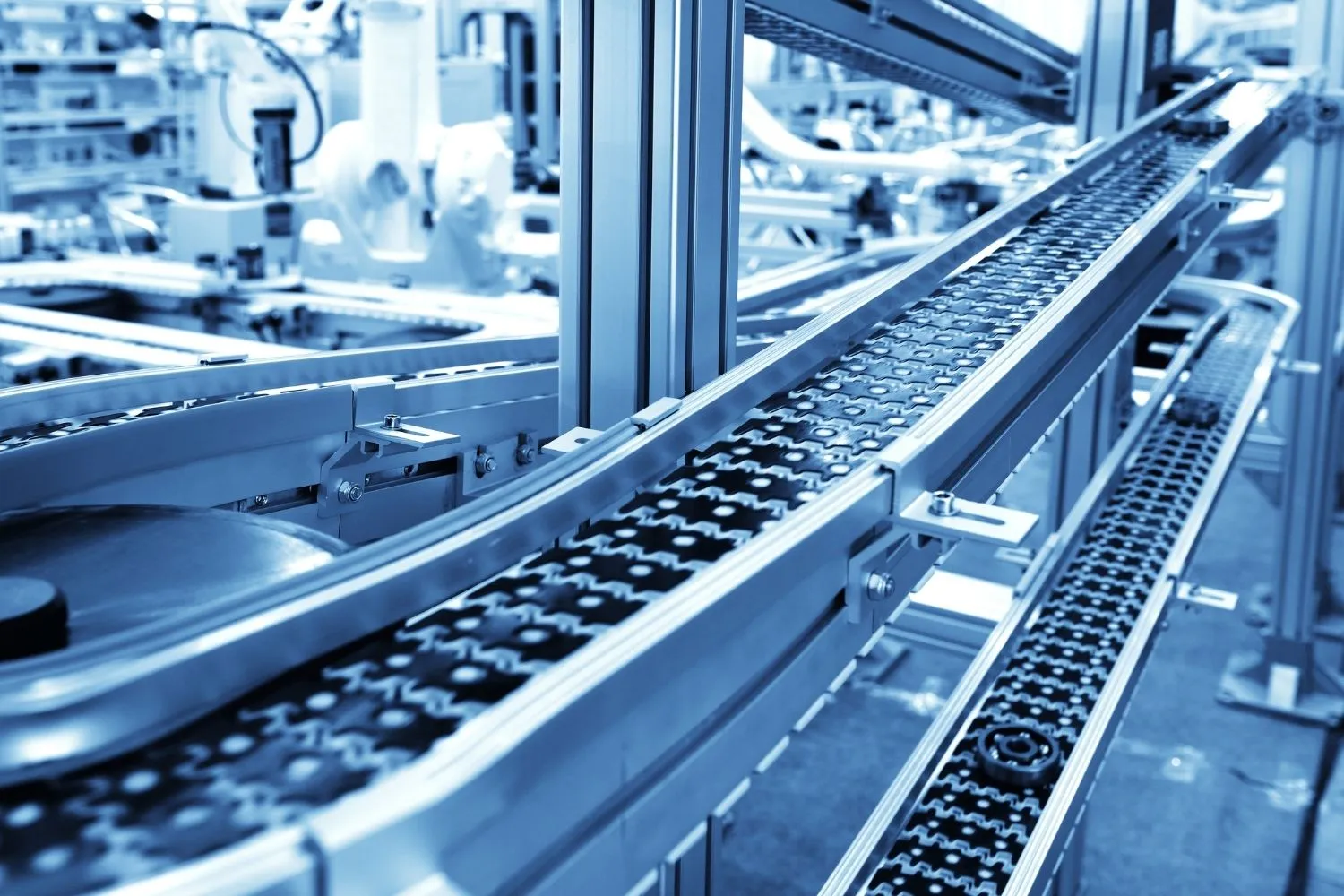
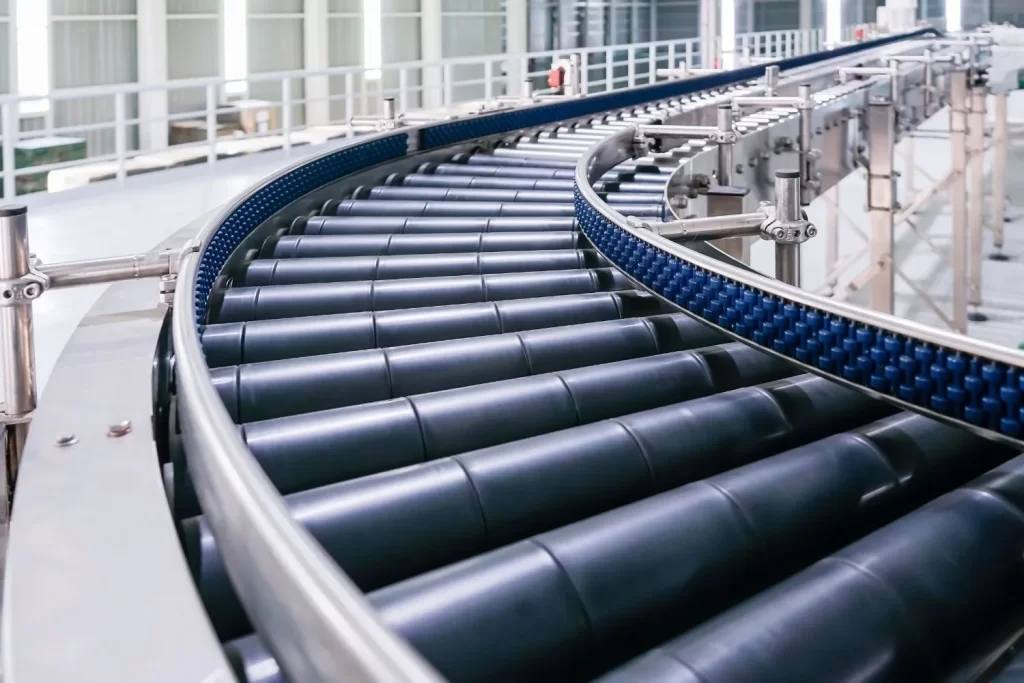
How does a conveyor chain work question is of great importance for understanding automation and efficiency in industrial production processes. Chain conveyor systems are mechanical structures that ensure products are transported from one point to another safely, in an orderly manner and at a constant speed. These systems consist of components such as the drive motor, sprockets, chain and rail.
Gurur Makina, offers maximum efficiency and long-lasting use across different sectors with its highly engineered chain conveying systems.
If you too Conveyor Chain if you are searching for Gurur Makina get in touch with right away.
How does a conveyor chain work
How Does a Conveyor Chain Work?
How does a conveyor chain work question is an important starting point for those who want to understand the fundamentals of automation in industrial facilities. Chain conveyor systems are mechanically synchronised conveying solutions that ensure material flow takes place safely, in an orderly manner and at a constant speed. In these systems, the chain's structure, mode of movement and relationship with the motor directly affect the quality of conveying. Gurur Makina, how does a conveyor chain work question by responding not only theoretically but with practice-based engineering solutions, designing high-performance systems tailored to every sector.
Basic Working Principle
The Chain's Movement Mechanism
How does a conveyor chain work the technical answer to the question lies in the chain's movement system.
– The chain moves forward thanks to the drive sprocket, which is rotated by the motor. – This movement ensures the steady progression of the products being transported along the rails. – For the chain to run at a constant speed without jolting, all components of the system must work in harmony. Gurur Makina, develops highly efficient conveying systems by ensuring the chain operates with the correct sprockets.
Drive Sprocket, Tensioning System and Bearings
– How does a conveyor chain work question is better understood through the relationship between the drive sprocket and the chain.
– The drive sprocket is the most critical part, transmitting motor power directly to the chain. – The tensioning system prevents the chain from slackening, keeping it under constant tension during operation. – Bearings, in turn, help the chain move without friction, in a balanced and quiet manner. Gurur Makina, optimises all these components through engineering calculations to deliver long-lasting solutions.
Power Transmission and Guidance System
– How does a conveyor chain work answer to the question continues in the power transmission system.
– The movement, starting with the motor, spreads along the chain, which pulls the entire line at an equal speed. – Rails and guide pulleys enable the chain to change direction and ensure uninterrupted flow. Gurur Makina, makes the conveying process efficient and smooth with special guide bearings and rail systems.
Structural Components of the Conveyor System
Chain Type and Characteristics
– How does a conveyor chain work topic, it is necessary to know the different chain types.
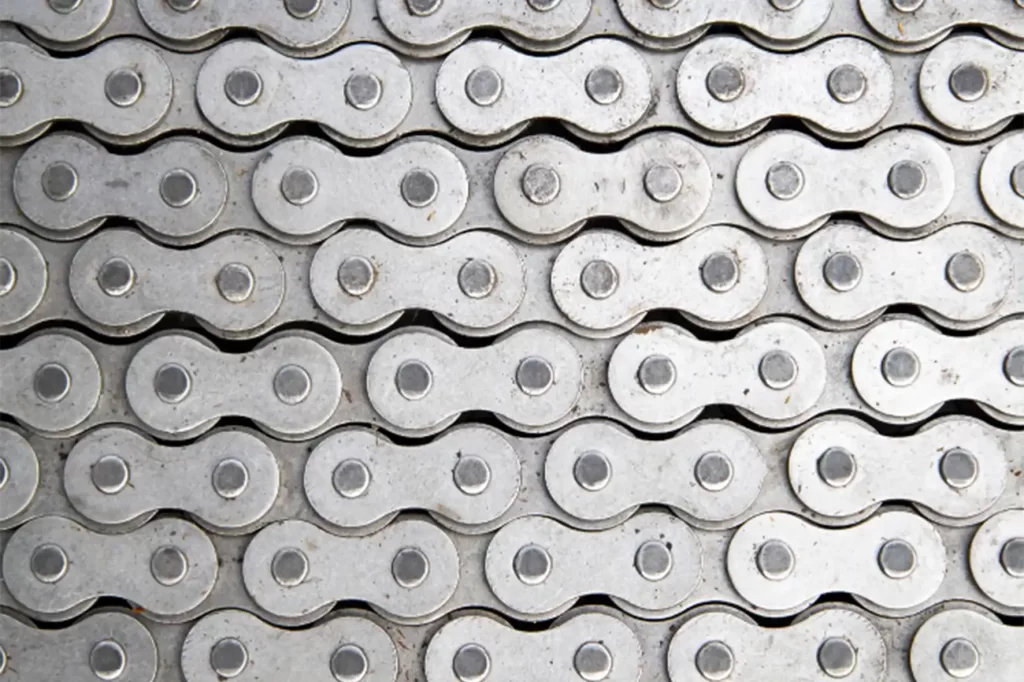
– Different chain types, such as roller chain, plate chain and pin chain, are selected according to the carrying capacity and system type. – Material quality (carbon steel, stainless steel, etc.) directly affects the service life of the chain. Gurur Makina, carries out custom manufacturing by determining the most suitable chain type according to the application environment.
Rails, Sprockets and Carrier Plates
– For the chain to operate correctly, the compatibility of the rails, sprockets and plates is critical.
– Rails ensure the chain's direction and the balance of the load. – Sprockets transmit the correct speed and torque to the chain. – Carrier plates are the part that directly carries the load. Gurur Makina, ensures high efficiency is achieved by designing all these structures as integrated and modular systems.
Speed Control and Motor Power Connection
– The chain's conveying speed can be adjusted according to the production pace.
– Speed control systems provide energy savings and prevent system wear. – Motor power must be determined in direct proportion to the chain length, load, and speed requirements. Gurur Makina, it optimises speed control with inverter-supported motor systems and extends system lifespan.
If you too are looking for Flyer Chain , you can review our website in detail.
How does a conveyor chain work
Application Areas of Chain Conveyor Systems
How does a conveyor chain work the answer to this question becomes clearer when looking at where these systems are used. Chain conveyors enable the safe and fast transport of different materials, products or parts across various sectors. Gurur Makina, offers efficiency and safety together with conveyor chain solutions designed specifically for each sector.
Application Examples in Production Lines
Use in the Automotive, White Goods and Electronics Sectors
– In automotive production lines, chain systems are used to transport heavy parts such as engine blocks and body panels.
– On white goods assembly lines, products are carried on the chain and processed at each station. – In the electronics sector, precise and vibration-free transport of small parts is essential. Gurur Makina, it optimises the chain's carrying capacity, speed and structure specifically for different production lines.
Use in the Packaging and Food Sector
Operating Features of Hygienic Chain Systems
– In the food and beverage sectors, transporting products under hygienic conditions is of vital importance.
– In these areas, stainless steel chains, easy-to-clean plate chains and non-slip carrier trays are used. – Flat-surface chain systems are preferred so that products are carried in a stable manner without tipping over. Gurur Makina, stands out with chain conveyor solutions that comply with hygiene standards, developed specifically for food production and packaging lines.
Chain Conveyors in Logistics and Distribution Centres
Loading, Unloading and Direction-Changing Processes
– In box, pallet and parcel handling, chain systems significantly reduce loading and unloading times.
– In automated shelving systems, chain conveyors change the direction of products between stations to route them to the correct points. – In logistics, speed, quietness and continuous operation are the most critical factors. Gurur Makina, manufactures low-noise, fast-responding systems with high direction-changing capability for logistics centres.
Factors Affecting Efficiency in Conveyor Chain Operation
How does a conveyor chain work As much as the technical answers to the question, how efficiently these systems work also matters greatly for businesses. Efficiency is directly related to the system operating in a way that is trouble-free, requires low maintenance, and saves energy. Gurur Makina, chain conveyor systemsdoes not just operate them, but also designs and implements them to ensure maximum efficiency.
Chain Material Quality and Weight Balance
– The material the chain is made from determines the system's overall durability and carrying capacity.
– Stainless steel, carbon steel or special alloys are selected according to the conveying environment and load type. – Balanced distribution of weight along the chain reduces wear and vibration. Gurur Makina, extending system life by selecting the optimum material for each application.
Lubrication and Maintenance Routines
– Regular lubrication is essential to prevent friction-induced wear on the chain.
– Automatic lubrication systems can provide continuous oil flow. – Excessive lubrication, on the other hand, can lead to a build-up of dirt and dust, so balanced systems should be preferred. Gurur Makina, offering businesses time and cost advantages through its low-maintenance bearing structure and lubrication systems.
Sprocket Compatibility and Tension Adjustments
– If the drive sprockets and the chain are not perfectly matched, the chain will jump or generate noise.
– Correctly adjusting the tensioning systems keeps the chain under constant tension and increases the stability of the system. – Tension that is too low or too high reduces the chain's service life. Gurur Makina, working with engineering practices that ensure precise tension adjustments and sprocket-chain compatibility in every system.
The Effect of Ambient Conditions on the System (Dust, Humidity, Temperature)
– High temperature can cause the chain to expand and lead to material fatigue.
– Humidity and chemical environments accelerate rusting and wear. – In dusty environments, the chain's movement capability can be restricted. Gurur Makina, minimising these effects with special coatings, protective enclosures and stainless structures suited to ambient conditions.
Ankara Chain if you are looking for Gurur Makina get in touch with
Efficient and Durable Conveyor Chain Systems with Gurur Makina
How does a conveyor chain work beyond the technical answers given to this question, the system's durability, ease of maintenance and efficiency need to be offered together. This is where Gurur Makina, with its engineering strength, domestic production capability and sector experience, offers businesses high-performance solutions.
Engineering-Focused Design Process
– Before each project, the production line is analysed and conveying needs are determined in detail.
– The appropriate chain type, sprocket structure, motor power and tensioning system are determined by the technical team. – Project-specific technical drawings, modelling and prototype production are carried out. Gurur Makina, builds every part of the system on an engineering basis, aiming for maximum efficiency with minimum risk.
High Strength and Low Maintenance Requirement
– Chains are manufactured to be resistant to high heat, chemicals and wear.
– Maintenance intervals are extended through quiet operation, low vibration and long-lasting parts. – Maintenance times are minimised thanks to automatic lubrication and modular structure. Gurur Makina, contributing to production continuity by offering businesses continuously operating, durable systems.
Project-Specific Production and Application Support
– Where standard systems are not sufficient, project-specific chain, gear and rail systems are manufactured.
– Production processes are designed to suit specific dimension, material and function requirements. – On-site installation, commissioning and testing services ensure the system is delivered fully operational. Gurur Makina, makes a difference with customised solutions that precisely match the needs of every business.
Training and Technical Support Services
– Operator training is provided after system installation.
– Technical support is provided for periodic maintenance, fault diagnosis and parts replacement. – Maintenance planning is carried out for sustainable system performance in the long term. Gurur Makina, is not just a system manufacturer but also a long-term solution partner.