
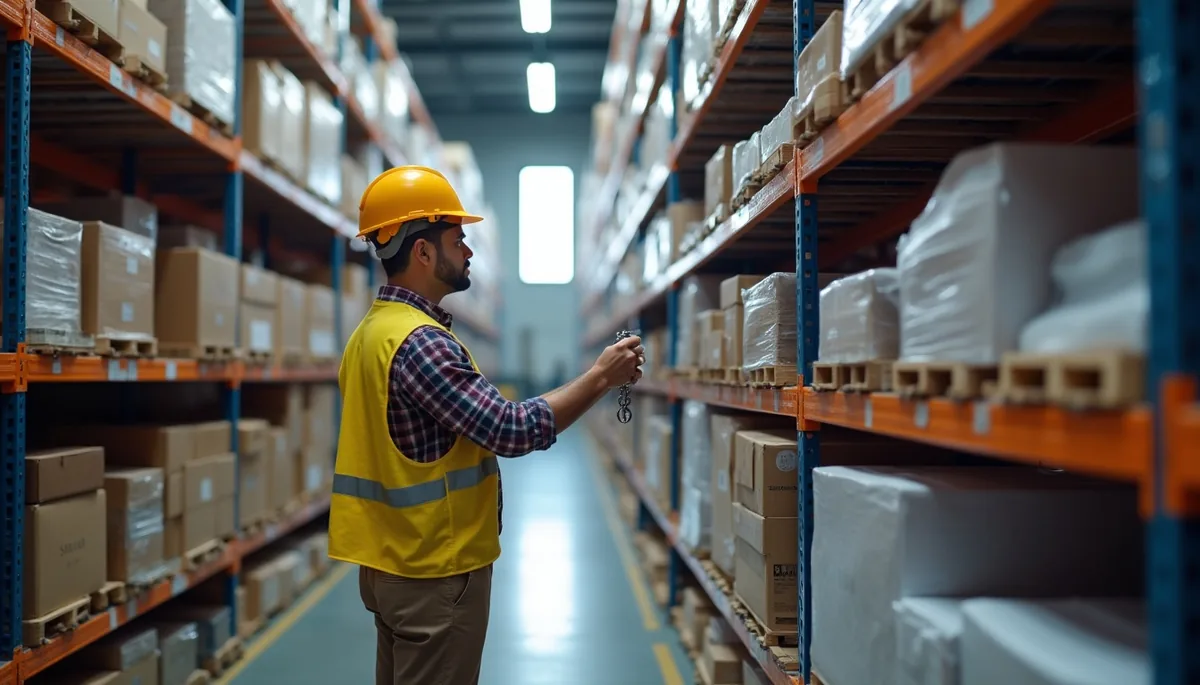
Chain and gear components, which form the backbone of the power transmission system in industrial facilities, are vital to production continuity. For this reason, the choice of industrial chain supplieris a far more strategic process than an ordinary purchasing decision. Selecting the wrong supplier can lead not only to cost losses but also to unplanned downtime, production losses and occupational safety risks. In this article, we will address the key criteria to consider when choosing an industrial chain supplier, drawing on field experience.
Why Is Choosing an Industrial Chain Supplier a Critical Decision?
Industrial chains have a very wide range of applications, from conveyor systems to lifting mechanisms, and from packaging lines to heavy industrial applications. Each application has its own specific load capacity, speed requirement and environmental conditions. This diversity makes it essential for the supplier to be not just a business partner that sells products, but a solution partner capable of providing technical consultancy as well.
An incorrect chain choice or inadequate supplier service directly shortens the lifespan of the system. In an industrial facility, a chain breakage can halt the entire line instantly; this leads to hourly production losses, emergency repair costs and delivery delays. The cost impacts of incorrect procurement decisions in industrial chain selection, can often go far beyond the price advantage gained at the initial purchase.
7 Criteria to Consider When Choosing an Industrial Chain Supplier
1. Product Range and Application Diversity
A good supplier is not one that offers only a single chain type, but a company with a wide product range including roller chains, folding chains, conveyor chains, leaf chains and special-purpose chains. Every industrial application requires a different chain typology, and a supplier's ability to meet this diversity means that both current needs and future projects can be met with confidence.
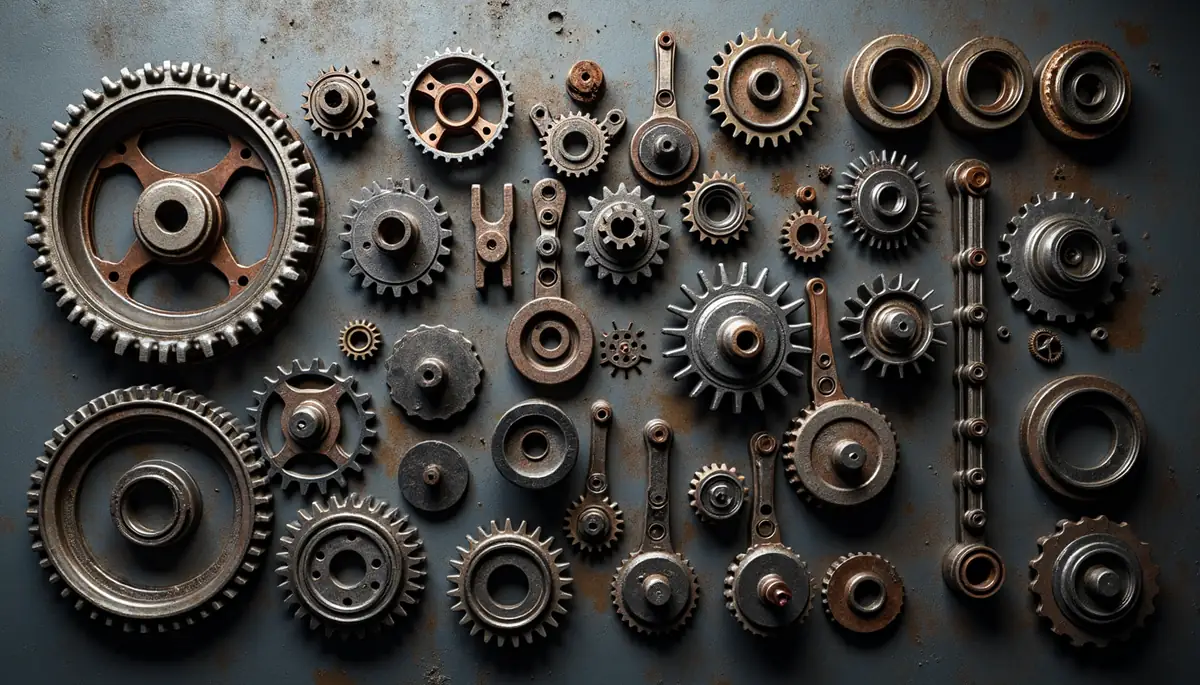
A supplier that can offer chain solutions compatible with gear systems in particular correct matching and assembly compatibility in chain and gear systems can provide technical support on this. This prevents assembly errors and premature wear.
2. Quality Certifications and Compliance with Standards
When evaluating an industrial chain supplier, quality certificates are the most concrete evidence of how seriously the company approaches its production processes. An ISO 9001 quality management system certificate is a basic expectation; however, certificates of compliance with chain testing standards such as ISO 15654 should also be sought. ISO chain testing standards, ensure that the strength and performance values of chains are verified to an international level.
Suppliers offering products without certification or documentation should be avoided, as such products carry no performance guarantee, and occupational safety liability can become extremely serious in the event of a chain breakage. Quality standards in industrial chain and gear supply, are not merely a formality on paper, but a guarantee of on-site safety.
3. Stock Depth and Rapid Supply Capacity
One of the most common problems faced by industrial maintenance teams is the supplier having no stock available when a chain is urgently needed. This causes unplanned downtime to be prolonged and production losses to grow. For this reason, a supplier's stock depth and capacity to respond to urgent orders should rank high among the selection criteria.
Stock assurance should apply not only to common chain types, but also to special size and material requirements. Supply security and risk management in chain and gear procurement, offers a comprehensive assessment framework on this subject and sets out a roadmap for how supply continuity can be ensured.
4. Technical Support and Engineering Consultancy
Selecting an industrial chain is a far more complex process than simply choosing a product from a catalogue. Numerous parameters must be assessed, including the application's load conditions, operating environment temperature, chemical exposure, speed requirements and lubrication conditions. At this point, a supplier's ability to provide technical support, offer engineering consultancy and actively participate in the selection process makes a significant difference.
A supplier with strong technical support correctly identifies the customer's needs and, where necessary, develops custom solutions rather than standard products. Non-standard chain designs may be required in high-temperature environments, the food industry or heavy-load applications in particular, and in such cases the supplier's R&D capacity becomes the deciding factor.
5. Material Selection and Durability Guarantee
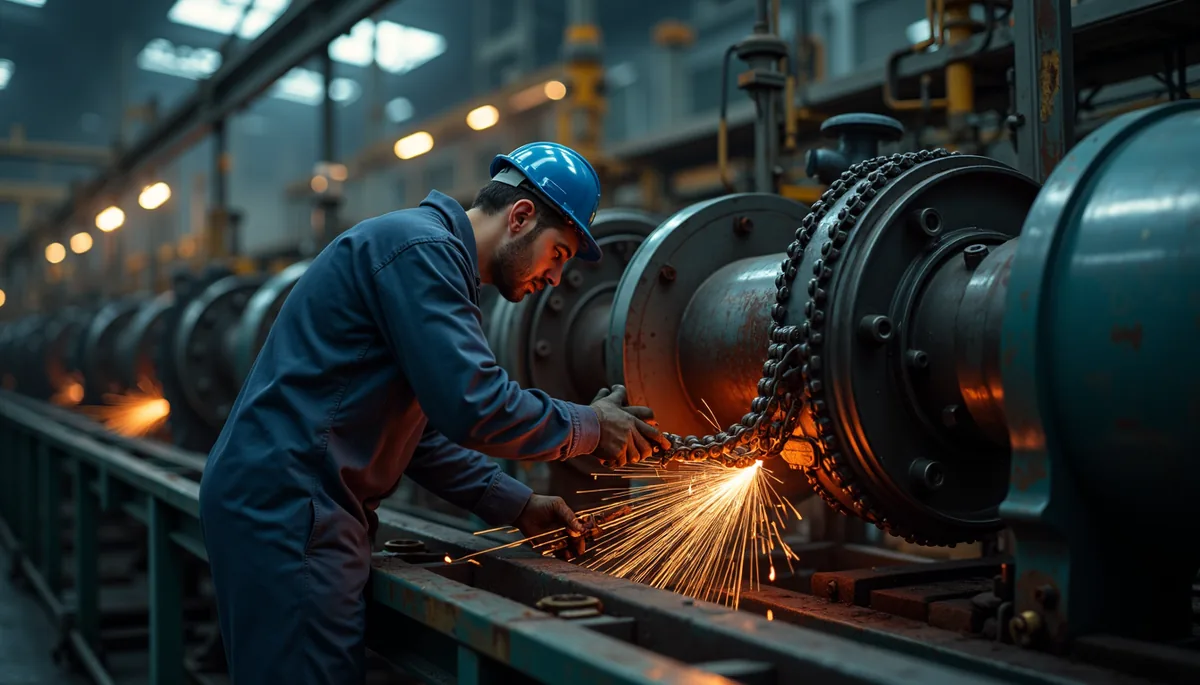
The service life of chains depends largely on the quality of the material used. Material options such as carbon steel, stainless steel, alloy steel and special surface treatments (nickel plating, galvanising, lubricating coatings) should be determined according to the different application conditions. Getting detailed information on material selection in industrial chain and sprocket systems, is one of the most critical decision points in terms of both performance and life-cycle cost.
In material selection, the supplier should focus not only on price but on durability against the application conditions. A chain manufactured from low-quality material may appear cheap at the time of purchase, but it wears out quickly and soon needs replacing. This increases the total cost of ownership and undermines the facility's production reliability.
6. Logistics Infrastructure and Delivery Reliability
Industrial facilities are generally located in organised industrial zones outside city centres, and logistics access is not always straightforward. A supplier having its own logistics network and being able to deliver on the same day or the next day in emergencies directly affects the long-term reliability of the facility's maintenance planning.
When evaluating logistics capacity, attention should be paid not only to delivery speed but also to the damage-free delivery rate, packaging quality and protective measures taken during transport. Transporting heavy and long chains requires specialist equipment, and a supplier without experience in this area is more likely to deliver damaged products. BGA – Bearing and Gear Manufacturers Association members of sectoral organisations such as this are generally more knowledgeable and better equipped when it comes to logistics standards.
7. References and Field Experience
The most reliable way to establish whether a supplier delivers on its promises is to examine the experiences of its existing customers. References provide direct insight into which sectors a supplier serves, the scale of projects it has completed successfully, and its capacity to sustain long-term business relationships.
Suppliers with experience in similar industrial applications, in particular, can anticipate potential problems and offer proactive solutions. Caution should be exercised with firms that lack field experience and act merely as commercial intermediaries, as their capacity to resolve technical issues when they arise may be limited.
Common Mistakes in the Industrial Chain Supplier Evaluation Process
The most common mistake in supplier selection is basing the decision on unit price alone. A low-priced offer may indicate inferior materials, inadequate stock, or poor technical support. This kind of short-term saving leads to significantly higher costs in the long run.
The second common mistake is treating supplier evaluation as a one-off process. In reality, the relationship with an industrial chain supplier continues long after the initial purchase. Warranty procedures, spare parts supply, technical support and periodic reviews are all part of a long-term business relationship. Supplier selection should therefore be approached as a partnership decision.
The third mistake is failing to compare a sufficient number of suppliers. Deciding on the basis of a single quotation means disregarding market conditions and alternative solutions. Comparing detailed technical and commercial proposals from at least three suppliers enables a more informed choice.
Total Cost of Ownership in Industrial Chain Supplier Selection
Unit Price or Total Cost?
In industrial chain purchasing, unit price is only a small part of the total cost of ownership. The total cost calculation should also include factors such as the chain's expected service life, maintenance requirements, likely failure and replacement frequency, the quality of the supplier's technical support, and its response speed in emergencies.
A chain sold at a higher unit price but with a longer service life and lower maintenance requirements can be far more advantageous in terms of total cost than a low-priced product that needs frequent replacement. Cost evaluation in supplier selection should therefore be approached from a holistic perspective.
The Impact of Warranty and After-Sales Services on Cost
Strong warranty terms and after-sales services indirectly reduce the total cost of ownership. A chain replaced free of charge under warranty saves on both material costs and labour and downtime costs. Asking the supplier to clearly state its after-sales support policy and obtaining written warranty terms helps prevent potential disputes.
Sustainable Collaboration with an Industrial Chain Supplier
The relationship with an industrial chain supplier should not end with the delivery of the first order. An ongoing collaboration includes regular stock notifications, announcements of new products and technologies, periodic visits and proactive technical recommendations. This type of relationship strengthens the facility's maintenance planning and enables potential failures to be anticipated in advance.
Long-term supplier relationships also ensure price stability. A pricing policy that is more resilient to market fluctuations makes budget planning more secure. In addition, the supplier's in-depth understanding of the customer's needs speeds up order processes and minimises the risk of incorrect orders.
Digital Transformation and Traceability in an Industrial Chain Supplier
Digitalisation in industrial supply processes is one of the most significant developments of recent years. A good supplier is now able to manage many processes through digital platforms, from order tracking and stock enquiries to technical document access and warranty records. This enables the customer to monitor order status in real time, easily access technical drawings and catalogues, and generate reports on past purchases.
Traceability, on the other hand, is a critical requirement in the production processes of industrial chains. Access to information such as which batch a chain was produced from, which material lot it came from and which test processes it underwent makes root cause analysis possible in the event of a potential quality issue. It is of great importance for the supplier to have such traceability systems in place, both for quality assurance and regulatory compliance.
Chain Supplier Expectations Across Different Industrial Sectors
Food and Pharmaceutical Industry
Chains used in the food and pharmaceutical industry have special material and design requirements due to hygiene requirements. Stainless steel chains are mandatory on surfaces that come into contact with food, and these chains may need to be FDA approved or compliant with EU Regulation 10/2011. In this sector, the supplier is expected to have a thorough command of food safety standards and to be able to offer certified products.
Automotive and Heavy Industry
In automotive and heavy industry applications, chains must meet demanding performance criteria such as high load capacity, impact resistance and long service life. In these sectors, suppliers are expected to be able to manufacture in compliance with automotive quality standards such as IATF 16949, and to offer both series production capacity and flexible order management. In addition, on-time delivery requirements also put the supplier's logistics infrastructure to the test.
Mining and Construction
Chains used in the mining and construction sectors operate in dusty, dirty and high-temperature environments. These conditions place a premium on the chains' wear resistance and corrosion resistance. It is a critical evaluation criterion for the supplier to understand the specific requirements of these sectors, to be able to offer heavy-duty chains, and to recommend surface treatments suited to site conditions.
Checklist for Selecting an Industrial Chain Supplier
You can use the checklist below to systematise your supplier evaluation process:
- Product range: Does it cover all the chain and gear types you need?
- Quality certificates: Are ISO 9001, ISO 15654 and other industry-specific certifications in place?
- Stock status: How quickly can it deliver on urgent orders?
- Technical support: Does it offer engineering consultancy and custom design capability?
- Material variety: Does it offer material options suited to different environmental conditions?
- Logistics infrastructure: Does it have its own delivery network and guarantee damage-free delivery?
- References: Does it have proven experience in similar sectors and applications?
- Digital infrastructure: Are order tracking, technical document access and traceability systems in place?
- Warranty terms: Are after-sales support and warranty terms provided in writing?
- Long-term relationship: Is there a culture of ongoing collaboration and proactive communication?
Conclusion: The Right Supplier, Reliable Production
Choosing an industrial chain supplier is a strategic decision that directly affects the reliability of the production process. Product range, quality certifications, stock depth, technical support capacity, material selection, logistics infrastructure and references are the core criteria for this decision. A purely price-focused approach can lead to far higher costs and production losses in the long run.
At Gurur Makina, we operate with a wide product range in industrial chain and gear systems, a quality approach aligned with ISO standards, a strong stock infrastructure and an experienced technical support team. By basing your supplier selection on these criteria, you can guarantee your production continuity and workplace safety at the highest level. Get in touch with us for detailed information and technical consultancy.