
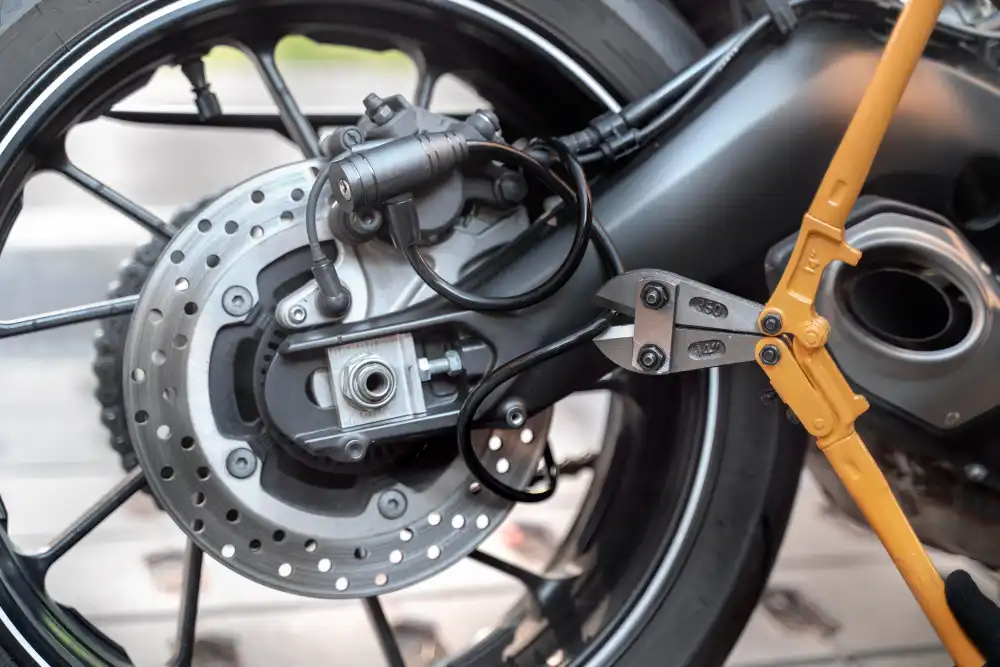
Transmission chains, which play a critical role in mechanical power transmission in industry, maximise system efficiency when correctly selected. At Gurur Makina, with our 36 years of experience, we want to share with our customers the areas of use and correct selection criteria for transmission chains used in different sectors.
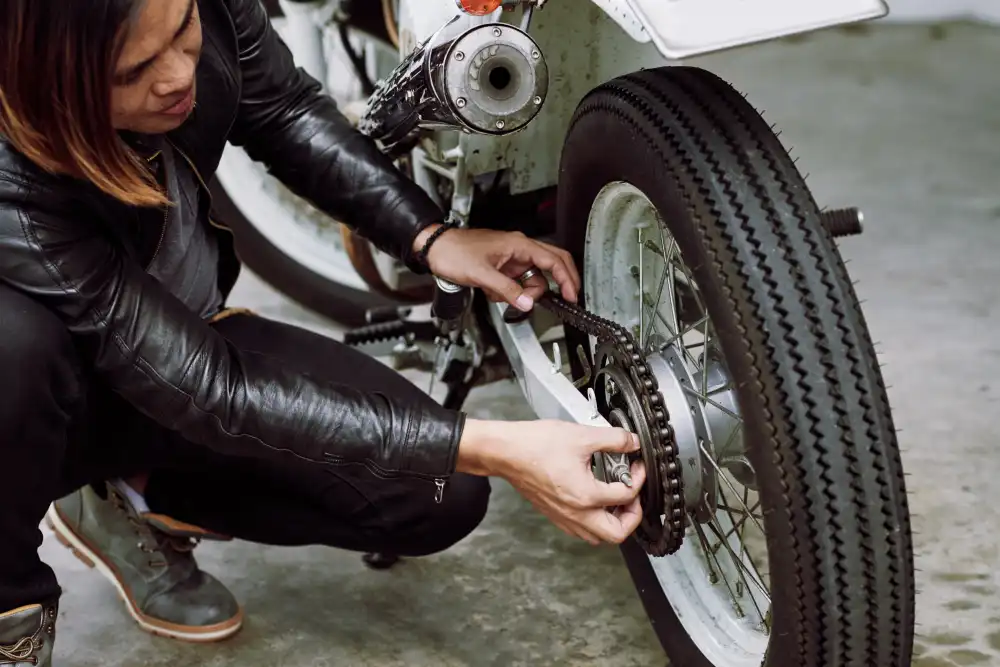
What Are Transmission Chains?
Transmission chains are important machine elements that enable movement and power to be transferred from one point to another in mechanical systems. They typically work together with gear systems, transmitting the rotational force from a motor or motion source to another shaft, wheel or mechanism. Their most common applications include motorcycles, bicycles, industrial machinery, conveyor systems and certain automotive parts.
These chains consist of interconnected metal links and move over sprockets. Because the chain works in harmony with the sprockets, the risk of slipping is reduced to a minimum. This makes transmission chains highly efficient and reliable, particularly in systems requiring high torque. Their greater durability compared with belt systems means they are preferred in machinery carrying heavy loads.
One of the biggest advantages of transmission chains is their long service life and high power transmission capacity. However, they do require regular maintenance. A chain that is not lubricated, or that is too loose or too tight, reduces performance and shortens the lifespan of both the sprocket and the chain. For this reason, periodic lubrication, tension checks and cleaning are extremely important.
There are different types of chain for different applications. For example, roller chains are the most widely used type. Silent chains are used in systems requiring a lower noise level. Heavy-duty chains, meanwhile, are preferred in industrial machinery.
Areas of Use in Industry
Transmission chains are mechanical components widely used in industry to reliably ensure the transfer of motion and power. Preferred especially in systems requiring high torque and durability, these chains help keep production processes running without interruption. Thanks to their structure made up of metal links, they can operate under heavy loads for long periods without loss of performance.
In industrial production lines, transmission chains are most commonly used in conveyor systems. In these systems, which move products from one point to another, chains provide stable motion and increase production efficiency. Conveyor chains play a critical role in the food, automotive, packaging and logistics sectors. Transmission chains are also used in the automotive sector, in engine systems, assembly lines and transport mechanisms.
Agricultural machinery is also among the areas where transmission chains are widely used. Chain systems are preferred for power transmission in combine harvesters, tractor equipment and sowing machines. In addition, special chain types resistant to demanding working conditions are used in machinery operating in the mining and heavy industry sectors.
The reasons transmission chains are preferred in industry include high load-carrying capacity, long service life and low slippage risk. However, regular lubrication, tension adjustment and cleaning must be carried out to maintain system performance.
Automotive Sector
In the automotive industry, transmission chains play a critical role in ensuring engine systems operate efficiently and in a synchronised manner. In particular, timing chains synchronise the movement between the crankshaft and the camshaft, ensuring the engine valves open and close at the correct time. This is of great importance in terms of engine performance, fuel efficiency and emission values. In addition, transmission chains are also used in the power transmission systems of some vehicles and in the conveyor belts used on assembly production lines. Chains used in the automotive sector must be resistant to high temperatures, vibration and friction. For this reason, specially hardened steel alloys are generally used, manufactured to precise production tolerances.
Food Industry
Transmission chains used in food production facilities not only provide power transmission but must also meet hygiene standards. For this reason, chains used in the food sector are generally manufactured from stainless steel and offer high resistance to corrosion. In addition, the surface structure of these chains is designed to prevent bacterial growth. Materials that comply with food safety standards (such as FDA or similar international food safety regulations) are used. Transmission chains are widely used, in particular, in filling lines, packaging machines, oven systems and cold chain conveyor belts. Regular cleaning and the use of food-grade lubricants are of great importance in this sector.
Mining and Heavy Industry
In the mining and heavy industry sectors, transmission chains operate under the most demanding working conditions. High impact loads, dust, moisture, abrasive minerals and a heavy workload directly affect the durability of these chains. For this reason, chains used in these fields are generally manufactured from high-carbon or special alloy steels. Their heat-treated structure increases their resistance to wear and breakage. They are widely used in conveyor systems, crushing machines, excavation equipment and load-carrying mechanisms. Regular maintenance, correct tension adjustment and proper lubrication are critical factors for extending chain life in these sectors. This reduces downtime and ensures production continuity.
Agriculture Sector
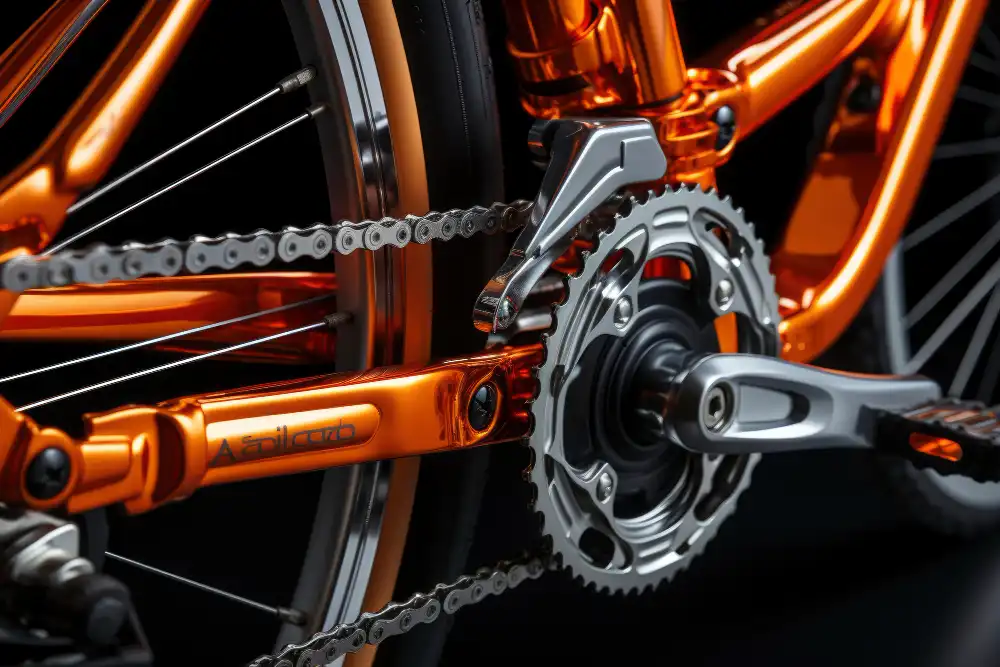
Transmission chains used in agricultural machinery must be designed to withstand demanding environmental conditions. As agricultural equipment typically operates outdoors, chains are continuously exposed to external factors such as soil, mud, water, fertiliser, pesticides and temperature fluctuations. For this reason, chains used in the agriculture sector are made from materials with high corrosion resistance, wear resistance and a long service life. Coated or rust-protected steel chains are particularly widely used.
Transmission chains play a critical role in power transmission in combine harvesters, baling machines, seeding machines, tractor equipment and feed mixer machines. Ease of maintenance is also an important factor in agricultural machinery. Chain structures that can be easily removed and refitted are preferred to allow quick intervention in the field. In addition, regular lubrication, tension control and cleaning significantly extend chain service life. Choosing the right chain in the agriculture sector prevents breakdowns that may occur during harvest season, reducing time and cost losses.
Chain Selection Criteria
Choosing the correct transmission chain is of great importance for machine performance and system safety. First of all, the load capacity of the system in which the chain will be used must be calculated correctly. The maximum load the chain will carry, the operating speed and the torque value are the determining factors in the selection process. Chains selected with the wrong capacity can lead to premature wear, breakage or system failures.
The operating environment also plays a critical role in chain selection. Chains to be used in humid, chemical or high-temperature environments must have special coatings or a stainless structure. In addition, the chain's compatibility with the gear system is important for flawless power transmission.
Maintenance requirements should also be taken into account. Chains with low lubrication needs, durability and a long service life reduce operating costs. In addition, chain pitch, material quality, manufacturing standard and brand reliability are also among the selection criteria. Choosing the right chain both increases production efficiency and provides a cost advantage for businesses in the long run.
Load Capacity
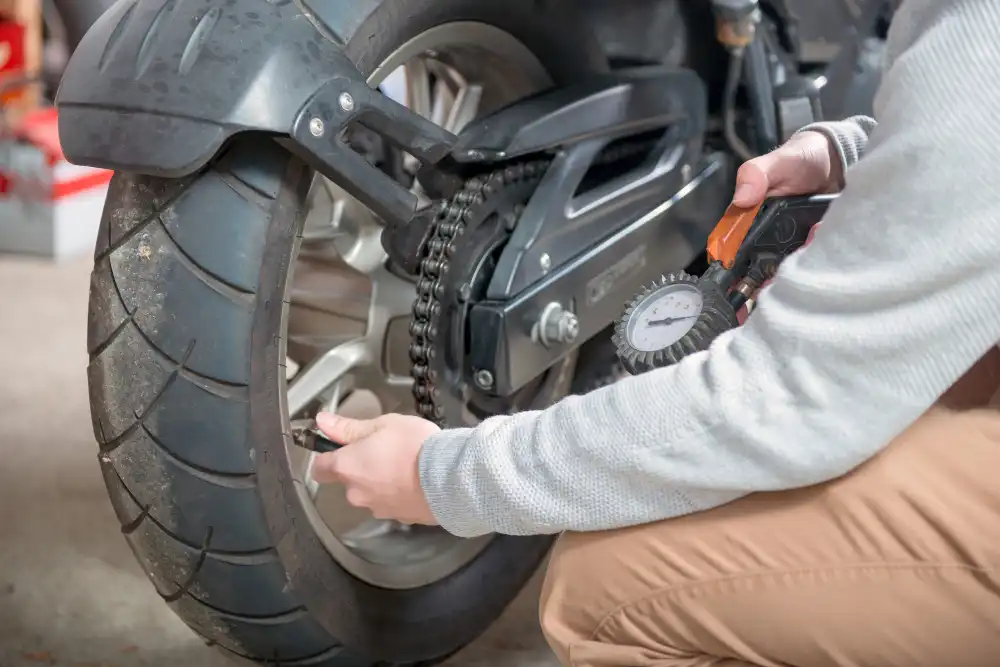
Load capacity is one of the most critical parameters in transmission chain selection in terms of system safety and efficiency. The static and dynamic loads occurring in the system in which the chain will operate must be correctly analysed. Particularly in applications involving sudden load changes, the chain must have a capacity that can withstand not only the average load but also the maximum load and shock loads. Chains selected with insufficient load capacity may stretch, suffer link deformation, or experience serious failures such as chain breakage within a short time. This can lead to both production losses and occupational safety risks. For this reason, engineering calculations, operating time and usage intensity must always be taken into account when selecting a chain.
Operating Environment
Transmission chains' performance and service life are directly affected by the operating environment conditions. For chains operating in high-temperature environments, alloys with high thermal resistance should be preferred. In damp or water-exposed environments, stainless steel or specially coated chains must be used. In dusty and dirty environments, chains with wear-resistant surface hardness come to the fore. In environments containing chemical substances, materials with high corrosion resistance should be selected. Choosing a chain unsuited to the environment causes rapid wear of the chain and a decline in system performance.
Ease of Maintenance
In some production areas, regularly dismantling, cleaning or lubricating chains can be difficult. In such applications, low-maintenance, self-lubricating or specially coated chain types should be preferred. Chains that offer ease of maintenance reduce businesses' downtime and increase operational efficiency. In addition, chain structures that allow easy assembly and disassembly speed up service processes and lower maintenance costs. With the right maintenance plan, chain life can be significantly extended.
The Right Choice with Gurur Makina
With 36 years of industry experience, Gurur Makina, offers technical support and engineering consultancy on selecting the correct transmission chain to businesses operating in different sectors. By developing solutions tailored to the needs of each application, it offers product options that prioritise performance and durability. Chains manufactured in modern production facilities in line with international quality standards provide high strength, long service life and reliable performance. Gurur Makina offers its customers comprehensive solution partnership from pre-sales technical analysis to after-sales support processes, ensuring that the right chain selection is made with confidence.

Expert Consultancy
Correct technical analysis in transmission chain selection is of great importance in terms of system performance and operating costs. As part of our expert consultancy service, our customers' working conditions, load values, operating speed, environmental conditions and frequency of use are analysed in detail. Based on these analyses, the most suitable chain model for the application is determined. Correct product selection prevents the unnecessary use of high-cost products, while also minimising the failure risks that could arise from using a chain with insufficient capacity. This approach reduces businesses' maintenance costs, decreases downtime and increases production efficiency. In addition, application-based engineering support provided by technical teams enhances system reliability in the long term.
Wide Product Range
Having a wide product range tailored to the differing needs of various sectors provides a significant advantage in industrial solutions. In addition to standard transmission chain models, chain solutions designed specifically for individual projects are also offered. Tailor-made solutions can be developed using special dimensions, different alloy materials, coating options and application-specific manufacturing techniques. This provides ideal solutions for heavy industry, custom production lines or applications requiring high precision, where standard products are not sufficient. Thanks to its wide product portfolio, customers can access solutions suited to different capacities and usage scenarios from a single source. This approach provides operational flexibility while also creating significant value for long-term business partnerships.
Leave a Comment Cancel reply
For our entire product range, DIN 8187 and DIN 8188 dimension tables and stock status: transmission chains
Articles